

What does it mean when your legs go numb?
Numbness in the leg is an unpleasant sensation that can feel like tingling, prickling, numbness, or as if the leg is “asleep.” This symptom often indicates a disorder in the functioning of the nervous system, circulation, or muscles in the lower extremities. The causes of leg numbness can vary—from temporary and harmless ones, such as an improper leg position during prolonged sitting, to more serious health conditions that require professional diagnosis and treatment.
Numbness can affect the entire leg or only certain parts, such as the foot, calf, or toes. If it occurs occasionally and lasts for a short time, it is often not a cause for concern. However, if it becomes frequent, accompanied by pain or weakness, it is important to seek professional help.
Understanding the reason why the leg goes numb is key to timely and effective therapy.
The most common causes of leg numbness
Leg numbness can have various causes, some of which are temporary and harmless, while others require detailed medical evaluation and treatment. Below are the most common factors leading to this uncomfortable symptom:
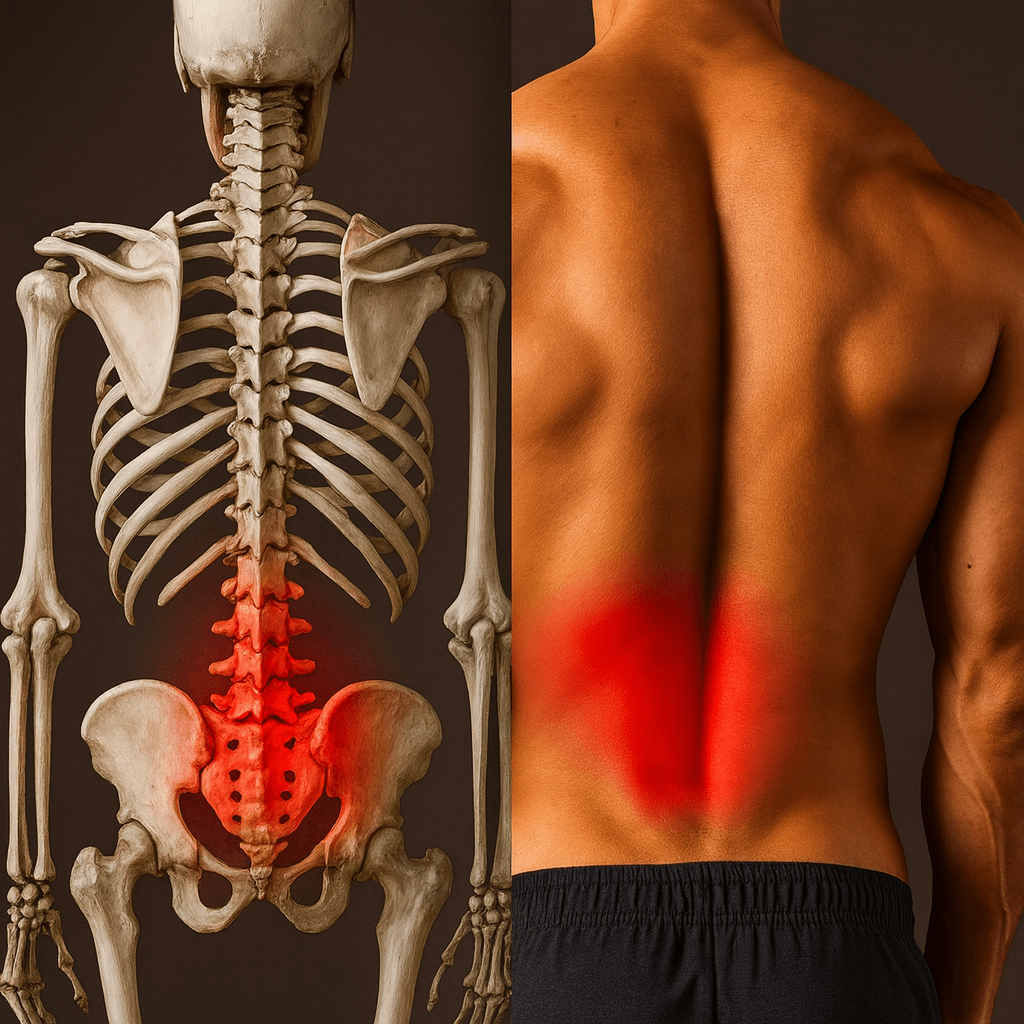
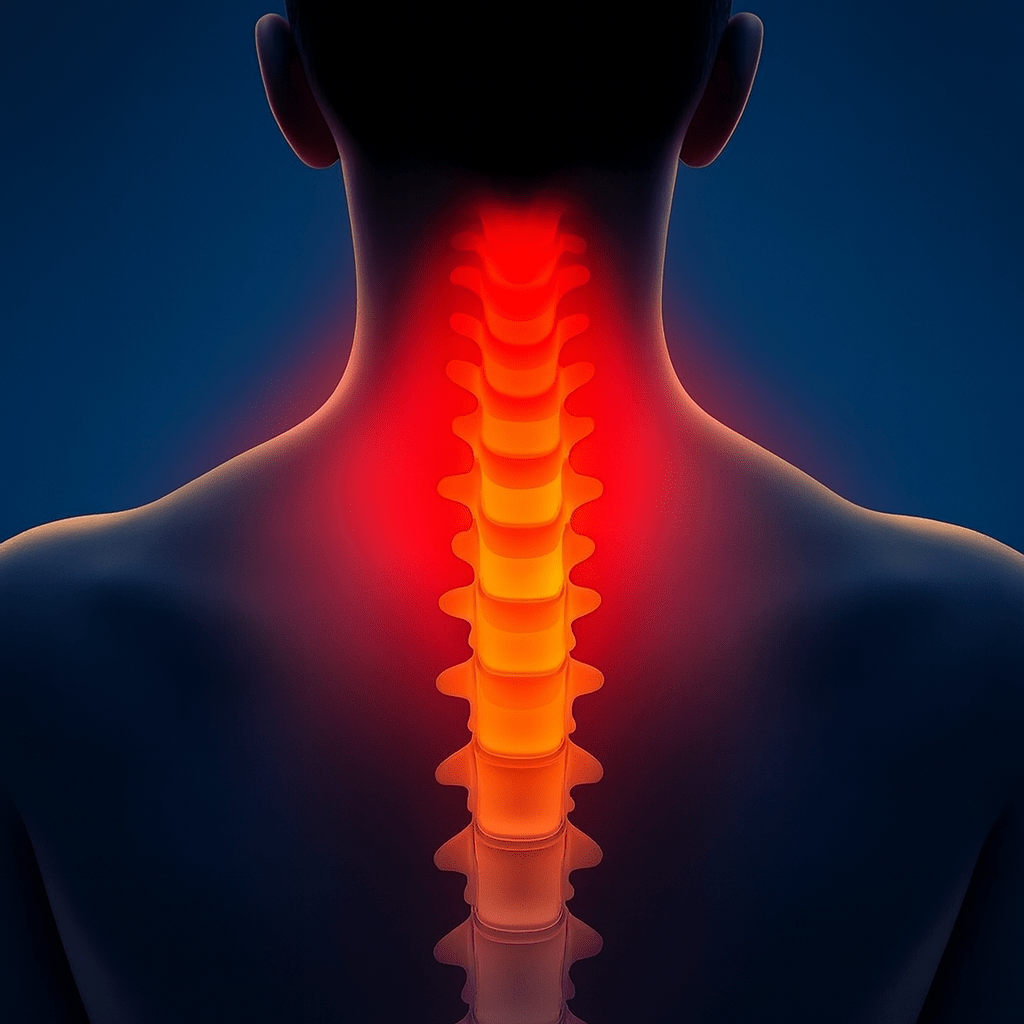
Spinal problems and nerve root compression
The spine, especially the lower lumbar and sacral regions, can put pressure on the nerve roots that supply the legs. Conditions such as herniated discs, degenerative changes, spinal canal narrowing (stenosis), or injuries can cause:
Pain in the lower back radiating down the leg
Numbness and tingling in the thighs, calves, or feet
Weakness in the leg muscles
Peripheral neuropathy
This disorder occurs when peripheral nerves are damaged and is often linked to chronic conditions such as:
Diabetes (diabetic neuropathy)
Alcoholism
Vitamin B12 deficiency
Symptoms include numbness, tingling, weakness, and loss of sensation in the legs, usually symmetrically, meaning in both legs.
Circulatory problems – vascular disorders
Poor blood circulation in the legs can cause numbness and coldness. This happens in cases of:
Peripheral artery disease
Venous insufficiency
Raynaud’s phenomenon
In these cases, symptoms often worsen during walking or standing, and skin color changes may also occur.
Posture and nerve compression in the legs
Prolonged sitting, poor body posture, wearing tight shoes, or injuries can put pressure on the nerve structures in the legs, leading to numbness and discomfort. Examples include:
Nerve compression in the hip or knee area
Piriformis syndrome
Improper leg positioning
Muscle cramps and overexertion
Intense physical activity, prolonged standing, or inadequate stretching can cause cramps and stiffness in the leg muscles. These cramps can sometimes create a sensation of numbness and tingling in the affected areas.
Other causes
In addition to the above, leg numbness can be caused by:
Infections (e.g., herpes zoster)
Autoimmune diseases such as multiple sclerosis or lupus erythematosus
Side effects of medications (especially chemotherapy)
Hormonal disorders and other systemic diseases
When can leg numbness be a warning sign?
Although leg numbness is often not a major cause for concern, there are situations where this symptom may indicate a serious health condition and requires urgent medical attention. Here’s when you should act quickly and seek professional help:
Sudden onset of numbness accompanied by severe pain or weakness
If leg numbness occurs suddenly and is accompanied by intense pain, loss of strength, inability to walk, or loss of leg control, it may be a sign of a serious neurological problem, such as a stroke, acute herniated disc, or spinal injury.
Numbness accompanied by bladder or bowel control problems
Loss of control over urination or bowel movements along with leg numbness may indicate an emergency condition such as cauda equina syndrome (compression of the spinal nerves in the lower back), which requires urgent surgical intervention.
Numbness with significant changes in leg color and temperature
If your legs appear pale, bluish, or unevenly colored, feel cold to the touch, or are swollen, this may be a sign of serious circulation problems, such as thrombosis or peripheral artery disease.
Gradual worsening of symptoms with loss of sensation
If leg numbness lasts for a long time and progressively worsens—especially if sensation in the legs fades or disappears—it may indicate a progressive neurological disease or nerve damage that requires immediate diagnosis and treatment.
Numbness with other serious symptoms
Symptoms such as high fever, severe headaches, dizziness, difficulty speaking, or vision problems in combination with leg numbness require urgent medical evaluation.
Treatment of leg numbness at our center
At the Fizio and Esthetic Center In Locco, we approach the treatment of leg numbness with special care and an individualized plan for each patient. We understand that every case can be different and requires a tailored approach to ensure the best possible results and lasting relief.
Individualized therapy approach
We begin every treatment with a detailed assessment of symptoms and the causes of numbness. Our team of expert therapists and physiotherapists uses modern diagnostic methods to accurately identify the problem. After that, we create a personalized therapy plan tailored to your needs, condition, and capabilities.
This approach allows us to effectively treat the underlying causes of numbness, whether they involve spinal, nerve, circulatory, or muscular issues.
Physiotherapy and manual techniques
Therapy at our center includes a wide range of physiotherapeutic procedures and manual techniques. These methods help with:
Reducing nerve pressure and relieving compression
Improving blood circulation in the legs
Alleviating pain and inflammation
Relaxing muscles and increasing their flexibility
We use techniques such as massage, spinal mobilization, electrotherapy, ultrasound, and specialized exercises tailored to the individual needs of the patient.
Leg exercises and home care recommendations
To achieve the best and most lasting results, our expert team will guide you through targeted exercises that strengthen leg muscles, improve mobility, and reduce pressure on nerve structures.
Additionally, we provide practical advice for daily care and prevention, including:
Proper posture and walking habits
Lifestyle changes that reduce stress on the legs
Ergonomic recommendations and avoidance of harmful positions
Monitoring and follow-up examinations
Treating leg numbness is not a one-time process. At our center, we regularly monitor your progress through follow-up check-ups and adjust the therapy according to results and needs.
This continuous support allows timely reaction to any changes in symptoms and ensures that the recovery process stays on the right track.
At Fizio and Esthetic Center In Locco, our goal is to help you get rid of leg numbness and restore full functionality with maximum care and expertise. With us, you are in safe hands!
Prevention and Tips for Healthy Legs
Maintaining healthy legs is essential to prevent unpleasant numbness and other issues that can affect your mobility and quality of life. With proper habits and self-care, it is possible to significantly reduce the risk of leg numbness and similar symptoms.
Regular physical activity
Movement improves blood circulation and strengthens leg muscles, which reduces pressure on nerves and blood vessels. Walking, light jogging, cycling, or stretching exercises help keep your legs healthy and mobile.
Proper posture and ergonomics
Avoid sitting or standing in the same position for long periods, especially with crossed legs. Sitting properly and placing your feet flat on the floor helps prevent pressure on nerves and blood vessels.
Breaks and changing positions
If you have a job that requires long hours of sitting or standing, take regular breaks. During breaks, stretch your legs, take a short walk, or change positions to stimulate circulation and relieve muscle tension.
Wearing appropriate footwear
Choose shoes that provide good support for your feet, are not too tight, and allow proper weight distribution. Uncomfortable footwear can cause nerve pressure and contribute to numbness.
Maintaining a healthy body weight
Excess weight increases pressure on joints and nerves in the legs, which can contribute to numbness and other problems. A balanced diet and regular physical activity help maintain an optimal weight.
Caring for overall health
Manage chronic diseases such as diabetes, high blood pressure, and high cholesterol, as they can negatively affect the health of your nervous and circulatory systems.
Avoiding harmful habits
Smoking and excessive alcohol consumption can worsen circulation and damage nerves, increasing the risk of leg numbness.
Prevention is the best way to preserve leg health and avoid numbness. By adopting healthy habits and regularly caring for yourself, you can enjoy mobility and a pain-free life. If symptoms do appear, timely diagnosis and therapy at our center will help you recover quickly.
For more information or to schedule an appointment, call us at 060 6060 308.