

What does it mean when your right arm goes numb?
Numbness in the right arm is an unpleasant sensation often described as tingling, prickling, numbness, or weakness. While it may seem harmless, especially if it occurs occasionally, in many cases this symptom is a sign of a problem with the nerves, circulation, or mechanical pressure in the neck, shoulder, arm, or hand area.
For most people, the right arm is the dominant one, meaning it is more often exposed to strain, repetitive movements, computer work, or phone use. This is why issues such as numbness are more common on this side of the body.
In some cases, numbness in the right arm is the result of simple overuse, while in others it may indicate a more serious condition that requires professional examination and appropriate treatment. It is crucial to monitor the frequency, duration, and accompanying symptoms, as this can help determine the cause and prevent complications.
The most common causes of numbness in the right arm
Numbness in the right arm can occur for various reasons – from harmless ones, such as an awkward arm position while sleeping, to more serious neurological and orthopedic issues. Below are the most common causes, with a focus on factors specifically related to the dominant right arm.
Overuse and repetitive movements
For people who perform tasks involving prolonged use of a keyboard, mouse, mobile phone, tools, or manual work, the muscles, tendons, and nerves in the hand and forearm can become overstrained. Such repeated strain over time can lead to microtraumas and inflammation, which may cause:
Numbness
Weakness in the arm
A burning or tingling sensation in the fingers
Working without breaks, poor ergonomics, and bad posture can further worsen the condition.
Carpal tunnel syndrome – the most common cause
Carpal tunnel syndrome is one of the most common causes of numbness in the right arm, especially in people who use a computer or phone daily. It occurs due to pressure on the median nerve that passes through a narrow channel in the wrist (the carpal tunnel). Symptoms typically appear in the:
Thumb
Index finger
Middle finger
Discomfort is usually most intense at night or early in the morning, and over time can lead to weakened grip and loss of sensation in the fingers if untreated.
Problems with the cervical spine and nerves
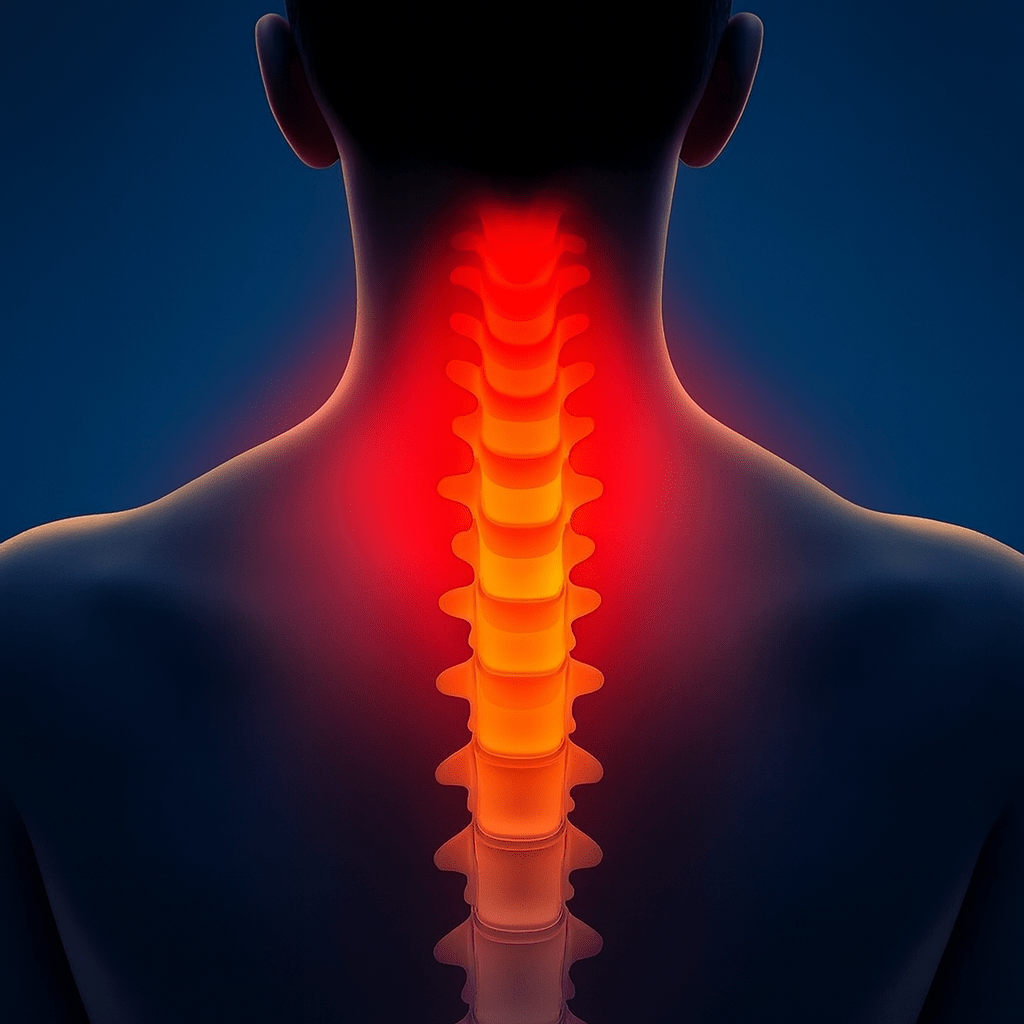
A herniated disc, degenerative changes, or narrowing of the spinal canal in the cervical spine (C5–C8) can cause compression of the nerve roots that supply the right arm. In this case, numbness is often accompanied by:
Pain in the neck and shoulder
Tightness or burning sensation down the arm
Difficulty moving the arm
Symptoms worsen with certain neck movements or when the head remains still in an awkward position for a long time.
Injuries and nerve compression
Injuries to the elbow, shoulder, or wrist, as well as prolonged leaning on the elbow or forearm, can cause pressure on peripheral nerves (e.g., ulnar or radial nerve), resulting in numbness or decreased sensation in specific parts of the arm. For example:
Ulnar nerve compression causes numbness in the ring and little finger
Radial nerve compression leads to weakness in the hand and tingling on the outer side of the forearm
Such nerve compression can also occur due to poor arm positioning during sleep.
Circulatory issues and static pressure
When blood flow to the arm is reduced – whether due to pressure on blood vessels, muscle spasms, or vascular disorders – it can cause numbness, coldness, and paleness. Prolonged sitting or keeping the arm in the same position can also cause static pressure on the blood vessels, especially if the arm is raised above heart level.
If such symptoms occur frequently, it is important to rule out more serious vascular disorders.
Neurological and metabolic disorders (e.g., diabetes)
Peripheral neuropathy, which can result from diabetes, alcoholism, vitamin B12 deficiency, or autoimmune diseases, often manifests as numbness and weakness in the limbs – including the right arm. This nerve damage develops gradually and is usually bilateral, but symptoms can be more pronounced in the arm that is used more often.
If numbness occurs alongside other symptoms, such as a sensation of “swollen fingers,” loss of sensation, or weakness, additional neurological tests should be carried out.
When does numbness in the right arm require quick action?
Most cases of numbness in the right arm have harmless causes, but there are situations where this symptom may indicate a serious medical condition requiring urgent attention. Here’s when you should react immediately and contact a doctor:
Sudden and intense numbness accompanied by chest pain
If numbness in the right arm appears suddenly and is accompanied by severe chest pain, tightness in the chest, shortness of breath, sweating, or dizziness, it may be a sign of a heart attack or another serious cardiovascular emergency. In such cases, call emergency services immediately (194) and do not delay going to the hospital.
Numbness with loss of strength and coordination
When numbness in the right arm is accompanied by sudden weakness, inability to hold objects, difficulty moving the arm, or loss of coordination, there is a risk of a stroke or a serious neurological disorder. These symptoms require urgent diagnosis and treatment.
Numbness lasting more than a few hours or days without improvement
If numbness persists even at rest and continues for a long time, it may indicate more serious problems such as nerve inflammation, severe nerve compression, or neurological diseases. In this case, do not wait for symptoms to go away on their own—see a specialist.
Numbness accompanied by changes in the color or temperature of the arm
If you notice that the arm is pale, bluish, cold, or significantly warmer than the other, it may signal circulation problems or blood vessel inflammation. These changes require immediate examination and treatment.
Numbness with severe neurological symptoms
Symptoms such as intense headaches, dizziness, nausea, speech problems, or vision issues combined with numbness in the right arm can indicate a stroke or other neurological emergencies. These situations require urgent medical evaluation.
Numbness in the right arm should not be ignored, especially if it appears suddenly and is accompanied by other symptoms suggesting serious conditions. In such cases, a quick reaction can save your life or prevent permanent damage. If in doubt, it is better to seek medical advice and check your condition.
Therapy in our center – how we help patients with numbness in the right arm
At the In Locco Physio and Aesthetic Center, we believe every patient is unique, so we tailor the treatment of numbness in the right arm to individual needs. Our goal is not only to relieve symptoms but also to identify and treat the root cause of the problem, ensuring long-lasting and effective results.
Individual therapy plan
Each treatment begins with a detailed diagnosis and a conversation with the patient to understand the nature and cause of the numbness. Based on the information gathered, we create a personalized therapy plan that includes all necessary methods to address the issue—whether it involves nerve compression, muscle tension, or circulatory disorders.
Manual techniques and physiotherapy
The application of specialized manual techniques is a key part of our therapy. These include:
Mobilization and manipulation of the cervical spine and shoulder
Massage and muscle relaxation
Techniques to relieve nerve pressure
Electrotherapy, ultrasound, and other physical methods that promote circulation and tissue regeneration
Together, these methods help reduce pain, eliminate numbness, and restore arm mobility.
Exercises and ergonomics
After reducing acute symptoms, our therapists design a program of targeted exercises that patients can perform at home or work. These exercises strengthen muscles, increase flexibility, and reduce the risk of numbness recurring.
We also advise on ergonomic adjustments in the workplace—proper posture, keyboard and mouse positioning, and desk setup to reduce pressure on nerves and muscles.
Support throughout the process
Treating numbness in the right arm is not a one-time procedure. At our center, we monitor each patient’s progress through regular check-ups and adjust therapy as needed. Our team is here to answer all questions and provide support throughout the entire recovery process.
How long does recovery take and how to speed it up?
The duration of recovery from numbness in the right arm depends on several factors, including the cause of the symptoms, how long the problem existed before starting therapy, and how well the patient follows the expert’s recommendations. In some cases, the first results may be visible after just a few therapy sessions, while in more complex or chronic cases, recovery can take several weeks to months.
Factors influencing recovery time:
The type and severity of the cause of numbness (e.g., carpal tunnel syndrome or herniated disc)
Duration of symptoms before treatment began
The patient’s age and overall health condition
Consistency and correctness in following therapy and exercises
Habits and conditions at work or home (ergonomics)
How to speed up recovery?
Attend therapy sessions regularly and follow the therapist’s advice.
Perform exercises at home prepared by our expert team, as they help strengthen muscles and relieve nerve pressure.
Pay attention to ergonomics—maintain proper posture, correct arm positioning during work, and take frequent breaks to reduce tension.
Avoid repetitive movements that worsen symptoms, as well as prolonged leaning on the elbow or improper sleeping positions.
Maintain general physical fitness through light activities that do not strain the arms.
What can you expect?
After just a few treatments, most patients notice a reduction in numbness, improved sensation in the arm, and restored functionality. With continued therapy and adherence to recommendations, symptoms gradually fade, while full recovery is achieved through ongoing prevention and strengthening efforts.
At the In Locco Physio and Aesthetic Center, our goal is to relieve you of unpleasant symptoms as quickly and safely as possible, with a careful and dedicated treatment approach. With our support, recovery is achievable and realistic.
For more information or to schedule an appointment, call us at 060 6060 308.