

The Problem of Pain in the Right Leg and Hip
Pain in the right leg and hip is a common health issue that can significantly affect daily activities and quality of life. This type of pain can result from various factors, including injuries, degenerative changes, or neurological problems. Often, pain in the hip and leg occur together because they are connected anatomically, meaning a problem in one area can cause pain or discomfort in the other.
The hip is one of the largest joints in the human body, enabling leg movement and supporting body weight. On the other hand, pain in the right leg can have many causes, including issues with nerves, muscles, ligaments, or even the leg joints. Due to its complex anatomy, pain in the right leg can manifest in various ways, from sharp pain to chronic discomfort, sometimes radiating to the back, thigh, knee, or even the foot.
This problem can be caused by sudden injuries but also by gradual damage due to aging, poor posture, or lack of physical activity. The pain may be sharp, dull, stabbing, or burning and is often accompanied by symptoms such as stiffness, swelling, and reduced mobility. Understanding the causes and symptoms of this pain is important for timely treatment and prevention of further complications. Given the variety of possible causes, pain in the right leg and hip often requires specialized therapy and treatment approaches to reduce discomfort and restore normal range of motion.
Causes of Pain in the Right Leg and Hip
Pain in the right leg and hip can arise from various causes, with the most common being degenerative changes, injuries, and problems with the spine and nerves. Each of these categories can contribute to discomfort and reduced functionality in daily activities. We will examine each of them in detail:
Degenerative Changes
Degenerative changes, such as osteoarthritis or cartilage wear in the joints, often cause pain in the hip and leg. With aging, the cartilage covering the ends of bones can gradually deteriorate, leading to bone friction, pain, stiffness, and reduced range of motion.
If degeneration spreads to the hip joint, it can cause pain that radiates along the leg, especially in the groin, thigh, and even the knee. Degenerative changes can also be the cause of pain in the right leg if intervertebral discs or nerve roots are involved. In cases such as osteochondrosis or spondylosis, symptoms similar to sciatica may appear, where the pain radiates down the leg.
Injuries and Traumatic Injuries
Injuries are another common cause of pain in the right leg and hip and can result from falls, accidents, sports activities, or traffic accidents. Fractures, sprains, dislocations, or muscle strains in the hip area can cause acute pain that may spread down the leg.
Often, hip injuries can cause direct pain in the hip area, while injuries to the lower back can lead to pain in the right leg. Additionally, tendon or ligament injuries can cause pain, and muscle strains or joint injuries can lead to long-lasting or chronic pain.
Problems with the Spine and Nerves
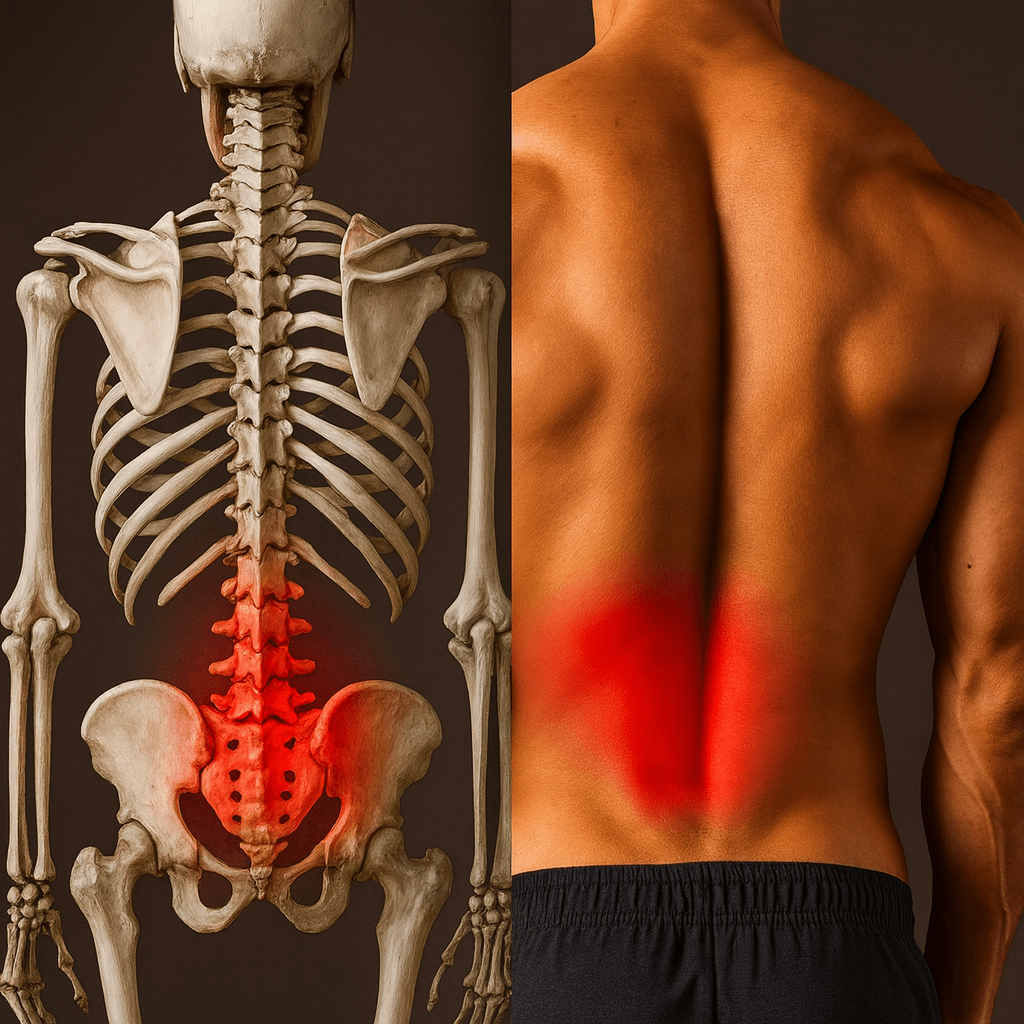
Problems with the spine, especially in the lumbar region, can cause pain that radiates to the leg, including the right leg. Lumbar disc herniation or spinal canal stenosis can lead to pressure on the nerves exiting the spine, causing leg pain known as sciatica. Sciatic pain can spread from the lower back through the hip, groin, thigh, and all the way to the foot.
Besides disc herniation, spinal problems can also be caused by degenerative changes in the vertebrae or discs, which can also cause leg pain. Pressure on the nerve roots can cause weakness, tingling, or sensitivity along the leg, which can interfere with daily activities and quality of life. Since the causes of pain in the right leg and hip are very diverse, it is important to identify specific factors in order to approach adequate treatment and prevent further problems.
What are the symptoms?
Pain in the right leg and hip can manifest in various ways, depending on the cause and severity of the condition. Typical symptoms include localized pain in the hip and leg area, as well as broader manifestations such as stiffness and weakness. Understanding these symptoms can help with timely recognition of the problem and directing towards appropriate treatment.
Typical pain in the hip and leg
Hip pain is often described as sharp, throbbing, or deep pain felt inside the hip or in the groin area. This pain can be constant or may worsen during activities such as walking, standing up from a seated position, climbing stairs, or even at night while sleeping.
When the pain radiates down the leg, it may indicate a spinal problem, such as sciatica, where the pain extends from the lumbar region down the leg. In such cases, the pain can spread from the lower back, through the hip and thigh, all the way to the knee or even the foot, often accompanied by tingling, burning, or weakness in the leg. Such pain is usually associated with reduced mobility, making daily activities difficult. In degenerative diseases like osteoarthritis, hip pain typically worsens with weight-bearing, and the pain may intensify over the years. If an injury is present, the pain is often more acute and may be linked to specific movements or pressure on the injured joint.
Connection with stiffness and weakness
Stiffness in the hip and leg is a common symptom, especially in degenerative conditions or spinal problems. The feeling of stiffness can result from a reduced range of motion in the hip joint, which may be caused by cartilage wear, arthritis, or injuries. This stiffness can make bending or straightening the leg, as well as walking, difficult. Weakness in the legs, also common in spinal issues, may occur due to pressure on nerve roots. This pressure disrupts normal muscle function, leading to feelings of weakness, loss of strength, and unsteadiness while walking. If the weakness worsens, coordination and balance may decline, increasing the risk of falls.
In cases of sciatica or other spinal problems, weakness may be specific to one leg — in this case, the right leg — and may worsen with prolonged standing or walking. The sensation of weakness can range from mild discomfort to severe difficulty in daily activities such as climbing stairs or carrying heavy objects. The combination of pain, stiffness, and weakness in the right leg and hip often indicates a more serious condition that requires timely treatment and expert advice to prevent complications and restore normal joint and leg function.
Treatment of Pain in the Right Leg and Hip – Fizio i Estetik Center In Locco
Pain in the right leg and hip can significantly affect daily activities, but with the right treatment approach, improvements and relief are possible. At Fizio i Estetik Center In Locco, specialized therapies are used, tailored to the needs of each patient, aiming to reduce pain, restore functionality, and return normal mobility.
Specialized therapies for pain in the hip and right leg
Electrotherapy method: Uses electrical impulses to reduce pain and relax muscles in the hip and leg area. It improves circulation, reduces muscle spasms, and helps regenerate damaged tissues, thereby decreasing discomfort and improving functionality.
Magnetotherapy method: Application of a magnetic field improves circulation in the hip and leg area, reduces inflammation, and accelerates tissue regeneration. It helps reduce pain and swelling, as well as restore damaged structures, facilitating movement and pain relief.
Laser therapy method: Uses low-intensity lasers to stimulate circulation, reduce pain, and accelerate tissue healing. It is effective in reducing inflammation, improving hip mobility, and decreasing muscle tension in the right leg.
Ultrasound therapy method: Acts to improve circulation in the deep layers of tissue, reduce inflammation, and accelerate regeneration of damaged structures in the hip and leg. It also helps reduce muscle tension and pain, enhancing flexibility and mobility.
Shockwave therapy method: Uses focused shock waves directed at the painful area to reduce pain, improve circulation, and stimulate tissue regeneration. Shockwave therapy is especially useful for treating chronic pain in the hip and leg, as it promotes healing and reduces inflammatory processes.
The Role of Physiotherapy and Massage
Physiotherapy is a key element in the treatment of pain in the right leg and hip. Physiotherapists at the In Locco Center develop individualized therapy plans that include various techniques and methods. The therapy focuses on reducing pain, restoring range of motion, and strengthening the muscles around the hip and leg. Through specialized exercises, patients are helped to improve joint flexibility and strength, which is essential for pain reduction and prevention of further injuries.
Massage plays an important role in the healing process. Therapeutic massages release tension in muscles and connective tissues, improving circulation, reducing pain, and accelerating regeneration. Massages can also help reduce stiffness and improve joint mobility, which is often a problem with pain in the hip and leg.
Kinesiotherapy for Restoring Functionality
Kinesiotherapy, used at the In Locco Center, is specifically designed to restore functionality and mobility. Through targeted exercises, patients are helped to regain balance, strength, and coordination, thereby reducing the risk of re-injury. Kinesiotherapy is tailored to the individual needs of each patient, with an emphasis on strengthening the muscles around the hip, back, and leg.
Exercises are adapted to specific symptoms, and therapists focus on improving joint stability and mobility, which contributes to pain reduction and increased flexibility. Through these therapies, patients can achieve long-term results, reducing pain and returning to daily activities with greater ease.
By combining electrotherapy, physiotherapy, massage, and kinesiotherapy, the In Locco Center provides a comprehensive approach to treating pain in the right leg and hip, aiming to reduce pain, restore functionality, and prevent further problems.
Prevention of pain in the right leg and hip
Prevention of pain in the right leg and hip includes several key aspects: strengthening muscles, maintaining proper posture, and adopting healthy lifestyle habits. Through a combination of physical exercises, ergonomic advice, and careful approach to daily activities, it is possible to reduce the risk of pain and injuries, improve functionality, and maintain optimal joint health.
Exercises for strengthening the muscles of the hip and legs
Strengthening the muscles of the hip and legs is crucial for joint stability and mobility, which can significantly reduce the risk of pain in the hip and leg. Effective exercises include:
Squats – This exercise engages the leg and glute muscles, improving strength and stability. Stand with your feet shoulder-width apart, bend your knees and lower into a squat, then return to the starting position.
Lunges – Step forward with one leg, lower your body so that both knees form a right angle, then return to the starting position. This exercise improves the strength and stability of the hip.
Bridge – Lie on your back, bend your knees and place your feet on the floor. Lift your hips toward the ceiling, squeezing your glutes and back muscles, then slowly lower your body back down. This exercise strengthens the lower back, glutes, and leg muscles.
Leg raises while lying down – Lie on your back, lift one leg to hip height, hold for a few seconds, and slowly lower it. This exercise activates the muscles of the hip, legs, and lower back, helping to stabilize the joints.
Regularly performing these exercises can help strengthen muscles, reduce joint strain, and improve the functionality of the hip and legs.
Tips for Proper Posture and Ergonomics
Proper posture and ergonomics are key to preventing pain in the hip and leg. Poor posture, such as excessive forward bending or improper sitting, can lead to imbalance and stress on the joints, which may cause pain. To improve ergonomics in everyday life, follow these tips:
Proper sitting – Keep your back straight while sitting, with your feet flat on the floor and your knees level with your hips. Use a chair that provides good support for your back.
Lift objects correctly – When lifting heavy objects, bend your knees, not your back, and use your leg strength to avoid straining your hips and back.
Avoid prolonged sitting or standing – If you must sit or stand for long periods, take breaks and change positions to reduce pressure on your hips and legs.
Maintain good walking posture – Try to walk with a straight back, relaxed shoulders, and natural hip movements to reduce the risk of pain.
A healthy lifestyle and injury prevention
A healthy lifestyle plays a key role in preventing pain in the leg and hip. Adopting healthy habits such as proper nutrition, regular exercise, and weight management can help maintain optimal joint health and reduce the risk of injuries.
Balanced nutrition – Consume foods rich in vitamins and minerals, such as calcium and vitamin D, which are important for bone health. Additionally, intake of healthy fats and proteins supports muscle and joint maintenance.
Weight management – Excess body weight puts additional pressure on joints, especially hips and knees. Regular exercise and a balanced diet can help maintain a healthy body weight.
Regular exercise – Aerobic exercises, such as brisk walking or cycling, improve circulation and joint health, while strength training helps build muscle, reducing stress on the joints.
By combining these strategies, you can significantly lower the risk of pain in the right leg and hip, keep your joints healthy, and improve your mobility and functionality.
For more information or to schedule an appointment, call us at 060 6060 308.