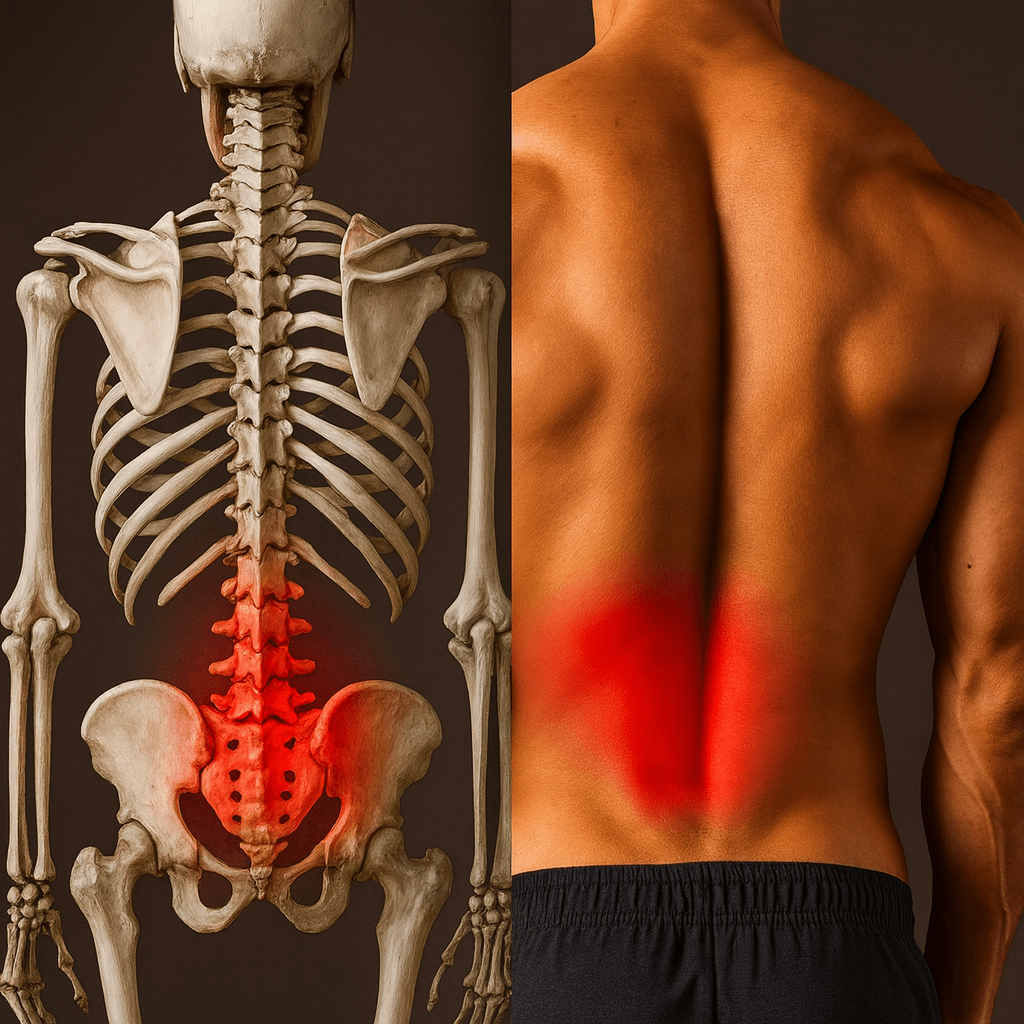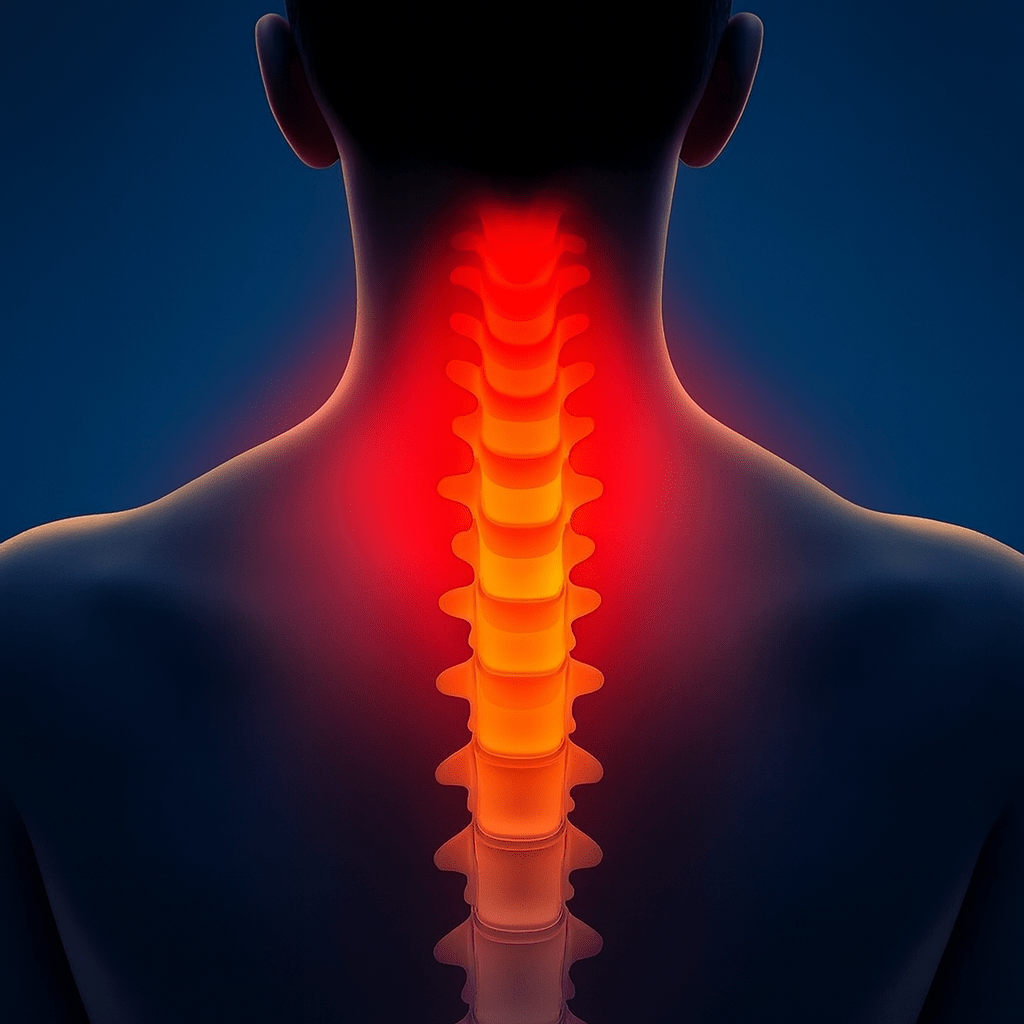


What is lumbar syndrome?
Lumbar syndrome refers to pain in the lower back (lumbar region), which can range from mild discomfort to very intense pain. It is one of the most common health issues, and many people experience this condition at some point in their lives. Lumbar syndrome encompasses a set of symptoms that can have various causes, such as injuries, degenerative changes in the spine, or poor posture.
The lumbar part of the spine, which supports the upper body, is particularly prone to overstrain and injury, which can lead to pain and discomfort. This syndrome is a broad term used to describe pain or dysfunction in this area, which can affect quality of life and limit the ability to perform everyday activities.
Although lumbar syndrome most often occurs in middle-aged people, it can affect individuals of all ages, and the risk increases with age, physical exertion, or the presence of certain medical conditions. Early recognition of symptoms and timely treatment can prevent the development of more serious problems and improve patients’ quality of life.
Causes of lumbar syndrome
Lumbar syndrome can develop due to various factors that affect the structures of the lower back. These causes can be divided into several categories, including injuries, degenerative processes, and other specific risks that contribute to the development of this condition.
Injuries and overstrain
Injuries are one of the most common causes of acute lumbar syndrome. These injuries may result from:
Mechanical stress and strain: Sudden bending, lifting heavy objects, or poor technique during physical activity can cause muscle and ligament strains, leading to lower back pain. Additionally, sudden twisting or unnatural movements can cause stretching or straining of soft tissues.
Disc injuries: A herniated disc, also known as a disc prolapse, occurs when the inner gel-like part of the disc moves beyond its normal boundaries, which can press on surrounding nerves. This injury causes lower back pain that may radiate into the legs. A herniated disc is a common consequence of excessive spinal load or injury due to physical exertion.
Contusions and fractures: Blows, falls, and traffic accidents can cause injuries to the lumbar spine. In some cases, these injuries may lead to compression of the vertebrae, resulting in lumbar syndrome. Such injuries often cause acute pain that requires prompt medical intervention.
Degenerative processes in the lumbar spine
With age, the spine undergoes natural degenerative changes that can cause lower back pain. The most common degenerative processes that contribute to the development of lumbar syndrome are:
Spondylosis: Spondylosis occurs when the discs between the vertebrae wear down, leading to a reduction in their height and loss of cushioning. As the discs lose their function, increased friction between the vertebrae can cause back pain.
Joint osteoarthritis: This degeneration of the joints in the lumbar spine can cause swelling and inflammation, leading to pain and stiffness. Osteoarthritis of the spinal joints is common in older adults and can be a cause of chronic lower back pain.
Spinal stenosis: Spinal stenosis refers to the narrowing of the spinal canal, through which the spinal nerves pass. This process can compress the nerves and cause lower back pain, as well as tingling in the legs. Stenosis usually occurs due to aging or degenerative changes in the spine.
Other risk factors
In addition to injuries and degenerative changes, there are other risk factors that can contribute to the development of lumbar syndrome:
Poor posture: Prolonged poor sitting posture, slouching, or bending can overload the lumbar spine and lead to pain. People who sit for long periods, especially without proper back support, are more likely to develop lower back pain.
Excess body weight: People who are overweight are more prone to lumbar syndrome because the extra weight puts additional stress on the spine, which can damage the discs and joints. Excess weight can also lead to increased compression of the spine, raising the risk of back pain.
Weak core muscles: Weak back, abdominal, and hip muscles can increase the load on the spine because they cannot adequately support the lumbar region. People with poorly developed core muscles often have a higher risk of injury and lower back pain.
Physical inactivity: Lack of regular movement and exercise can lead to weakened muscles, reduced flexibility, and stiffness, which contribute to back pain. Prolonged sitting, as well as improper movement, can cause further loss of strength and spinal mobility.
Genetics: Some people have a genetic predisposition to degenerative spine diseases, such as spondylolisthesis or herniated discs. If there is a family history of spinal conditions, there is a greater likelihood that an individual will develop lumbar syndrome.
Symptoms of lumbar syndrome
Lumbar syndrome manifests through various symptoms that can vary in intensity and duration. Although lower back pain is the most recognizable symptom, there are other signs that indicate this condition. Here is a detailed overview of the most common symptoms of lumbar syndrome:
Lower back pain
Pain in the lower back is the main and most common symptom of lumbar syndrome. This pain can have different characteristics and may present in various forms:
Acute pain: In the early stages, the pain is usually sudden, sharp, and may occur after straining or injury. It often appears when bending, lifting heavy objects, or making sudden movements.
Chronic pain: If the condition is not treated, the pain may become chronic. This type of pain is usually less intense but constant and can last for several months or even years. Chronic pain is often dull, with a persistent pressure or feeling of discomfort in the lumbar region.
Radiating pain: The pain may be localized in the lower back, but in some cases, it can spread to other parts of the body, such as the hips, the back of the legs, or the buttocks. This type of pain usually indicates nerve compression or intervertebral disc damage.
Stiffness and weakness
In addition to pain, stiffness and weakness in the lower back and legs often accompany lumbar syndrome. These symptoms may indicate nerve compression or damage to the tissues supporting the spine:
Back stiffness: Patients with lumbar syndrome often feel stiffness in the lower back, which makes it difficult to twist the body or perform daily activities such as bending or sitting for prolonged periods. Stiffness may be caused by reduced spinal mobility due to pain or degenerative changes.
Muscle weakness: Weakness in the legs and back is a common symptom, especially when spinal nerves are compressed. Weak muscles can make walking, climbing stairs, or even standing in one place difficult. The weakness may be occasional or constant, depending on the severity of the condition.
Difficulty performing basic activities: Stiffness and weakness can significantly reduce the ability to perform basic activities such as sitting, standing, climbing stairs, or doing household chores. These symptoms can seriously affect the patient’s quality of life.
Leg pain as a consequence of lumbar syndrome
When spinal vertebrae, intervertebral discs, or nerves are damaged or compressed, pain and tingling can radiate to the legs. Referred pain usually occurs due to pressure on the sciatic nerve, which runs from the lower back down the legs:
Sciatica: Pain that radiates down the leg, often called sciatica, is one of the most common symptoms of lumbar syndrome. This pain can be sharp, stabbing, or burning and usually appears on one side of the body. A patient may feel pain from the lower back all the way down to the foot, sometimes accompanied by tingling, tightness, or weakness in the legs.
Tingling and numbness: In addition to pain, many patients with lumbar syndrome report a feeling of tingling or numbness in the legs, especially in the thighs, knees, or feet. This symptom indicates irritation or compression of a nerve, which can cause damage to nerve signals.
Reduced leg mobility: If a nerve is severely compressed, reduced leg mobility may occur. This symptom can make walking, climbing, or even simple movements like moving the legs while sitting difficult.
Treatment and therapies for lumbar syndrome
Lumbar syndrome can be successfully treated through various conservative methods, which mainly rely on physical therapy, massages, kinesitherapy, and electrotherapy. All these approaches help reduce pain, improve mobility, and strengthen muscles, enabling faster recovery and long-term maintenance of back health.
Physical Therapy
Physical therapy is a key element in treating lumbar syndrome. It includes a range of techniques that help reduce pain and restore mobility. The most commonly used techniques are:
Electrotherapy: Used to stimulate muscles in the lumbar region, improve circulation, and reduce pain. Electrical impulses can help relax tense muscles and decrease inflammation often associated with lumbar syndrome. Additionally, improved tissue nutrition can contribute to faster recovery and symptom relief.
Magnetotherapy: In lumbar syndrome treatment, magnetotherapy can enhance microcirculation in back muscles and joints, promoting faster recovery and tissue regeneration. It also has a calming effect on pain and inflammation, which is especially helpful in chronic lower back pain.
Therapeutic Ultrasound: Uses high-frequency sound waves to reduce pain and inflammation in the lumbar area. It also improves circulation, speeds up healing of damaged tissues, and decreases stiffness, which facilitates movement and reduces symptoms of lumbar syndrome.
Shockwave Therapy: Utilizes high-intensity acoustic waves that aid in the regeneration of damaged muscles, tendons, and joints in the lumbar region. This therapy can be particularly effective in treating pain caused by tension and injuries in the lower back and in stimulating faster tissue healing.
Laser Therapy: Low-intensity light (laser) is used to stimulate healing processes in back tissues, reduce pain, and decrease inflammation. Laser therapy can help alleviate lower back pain, improve mobility, and speed up tissue regeneration after injury or overload.
Strengthening and Stretching Exercises: Physical therapists use specialized exercises to strengthen trunk and back muscles. These exercises improve lumbar stability, reduce tension, and increase flexibility. Stretching muscles also lowers the risk of recurrent injuries.
Manual Therapy: As part of physical therapy, manual techniques such as massages or joint manipulations are used to relax muscles, improve circulation, and reduce pain in the lower back.
Massages
Massages are effective in relaxing tense muscles and reducing pain. Combined with physical therapy, massages improve blood flow, reduce tension, and contribute to recovery.
Therapeutic Massage: Focuses on specific painful areas, reduces muscle tension, and improves back mobility.
Kinesiotherapy and Electrotherapy
Kinesiotherapy, based on physical exercises, specializes in muscle strengthening, improving stability, and preventing recurrent injuries. In kinesiotherapy, therapists use various resistance exercises and balance exercises that enhance flexibility, strength, and coordination.
Resistance exercises: These are used to strengthen the back muscles, especially the core muscles that stabilize the lumbar region and reduce pressure on the spine.
Exercises with a ball or on unstable surfaces: These help improve balance and coordination, which contributes to reducing the risk of new injuries.
How can the In Locco Center help?
At In Locco Physio Center, we are dedicated to providing high-quality therapies for people with lumbar syndrome, offering an individualized approach to each patient. Our expertise and experience allow us to develop specialized treatments based on the latest methods and technologies, ensuring maximum effectiveness in treatment and rapid recovery.
Individualized approach to each patient
Every person is unique, which is why our team at the In Locco Physio and Aesthetics Center creates personalized treatment plans. First, our physiotherapist conducts a detailed examination, analyzing specific symptoms, causes of pain, and the patient’s physical capabilities. Based on this information, a therapy plan is developed that takes into account specific goals as well as the patient’s preferences.
Key components of our individualized approach include:
Detailed assessment of the patient’s condition: Before starting therapy, we analyze all aspects of the patient’s condition, including injury history, pain level, functional impairments, and other factors that may influence recovery.
Personalized therapies: Based on the assessment, we develop a treatment plan that may include various therapeutic techniques and exercises tailored specifically for each patient.
Continuous progress monitoring: We regularly track patients’ progress through frequent evaluations, adjusting treatments to achieve the fastest and most effective recovery possible.
Our goal is not only to relieve pain and restore functionality but also to ensure long-term health and prevent future lower back problems.
Prevention of Lumbar Syndrome
Prevention of lumbar syndrome plays a key role in maintaining the health of the lower back and reducing the risk of developing this painful and disabling condition. Early recognition of risk factors and implementation of preventive measures can significantly decrease the likelihood of spinal problems. At the In Locco Physio and Aesthetic Center, we advise patients on how to prevent these difficulties. Some of the key aspects of prevention include exercises, proper posture, and adopting good ergonomic habits.
Exercises and stretching for lower back health
Regularly performing targeted exercises to strengthen and stretch the lower back can significantly reduce the risk of lumbar syndrome. These exercises not only help maintain mobility but also strengthen the muscles that support the spine and lower back, preventing overload and injury.
Core and back muscle strengthening exercises: These exercises target muscles that provide spinal stability, such as the abdominal muscles, lower back, hips, and thighs. Exercises like planks, bridges, and resistance training help preserve core strength, which reduces pressure on the lumbar spine.
Stretching of back and hip muscles: Stretching is essential for maintaining muscle flexibility and reducing tension. Exercises such as stretching the lower back muscles, quadriceps, and hamstrings improve elasticity and prevent stiffness that can lead to pain in the lumbar spine.
Tips for Proper Posture and Ergonomics at Work
One of the most important factors in preventing lumbar syndrome is proper posture and ergonomics, especially during work and daily activities. Prolonged sitting or improper lifting of heavy objects can put additional pressure on the spine and contribute to back pain. Here are some tips to help maintain the health of your lower back:
Proper sitting: When sitting, maintain the natural curve of your spine. Use a chair with good lumbar support and place your feet flat on the floor, with knees at hip level. Avoid sitting in a slouched or bent-over position, which strains the lower back.
Lifting heavy objects: When lifting heavy items, always use your legs, not your back. Bend your knees while keeping your back straight, and lift with strong legs, not your back. Never bend your back, as this increases the risk of injury.
Proper workstation setup: If you work at a desk, position your computer screen at eye level to prevent bending your head forward. The keyboard and mouse should be placed so your arms remain in a natural, relaxed position without strain.
Preventive measures for people at risk of developing lumbar syndrome
Some individuals are at higher risk of developing lumbar syndrome, such as those who sit for long periods, perform physically demanding jobs, or have excessive body weight. Introducing preventive measures can significantly reduce the chances of developing lower back problems.
Maintain a healthy body weight: Excess body weight places additional pressure on the lower back, which can contribute to the development of lumbar syndrome. A healthy diet combined with regular physical activity helps maintain optimal body weight and reduces spinal load.
Regularly stand up and move: If you have a job that requires prolonged sitting, it is crucial to stand up and walk regularly. Get up every 30-60 minutes, stretch your legs, and perform simple stretching exercises. This improves circulation and reduces tension in the back.
Strengthen back muscles: If you have a history of back injuries or perform physically demanding work, it is important to regularly strengthen your back muscles. Incorporating specific lower back exercises into your routine can help prevent pain and injuries.
For more information or to schedule an appointment, call us at 060 6060 308.