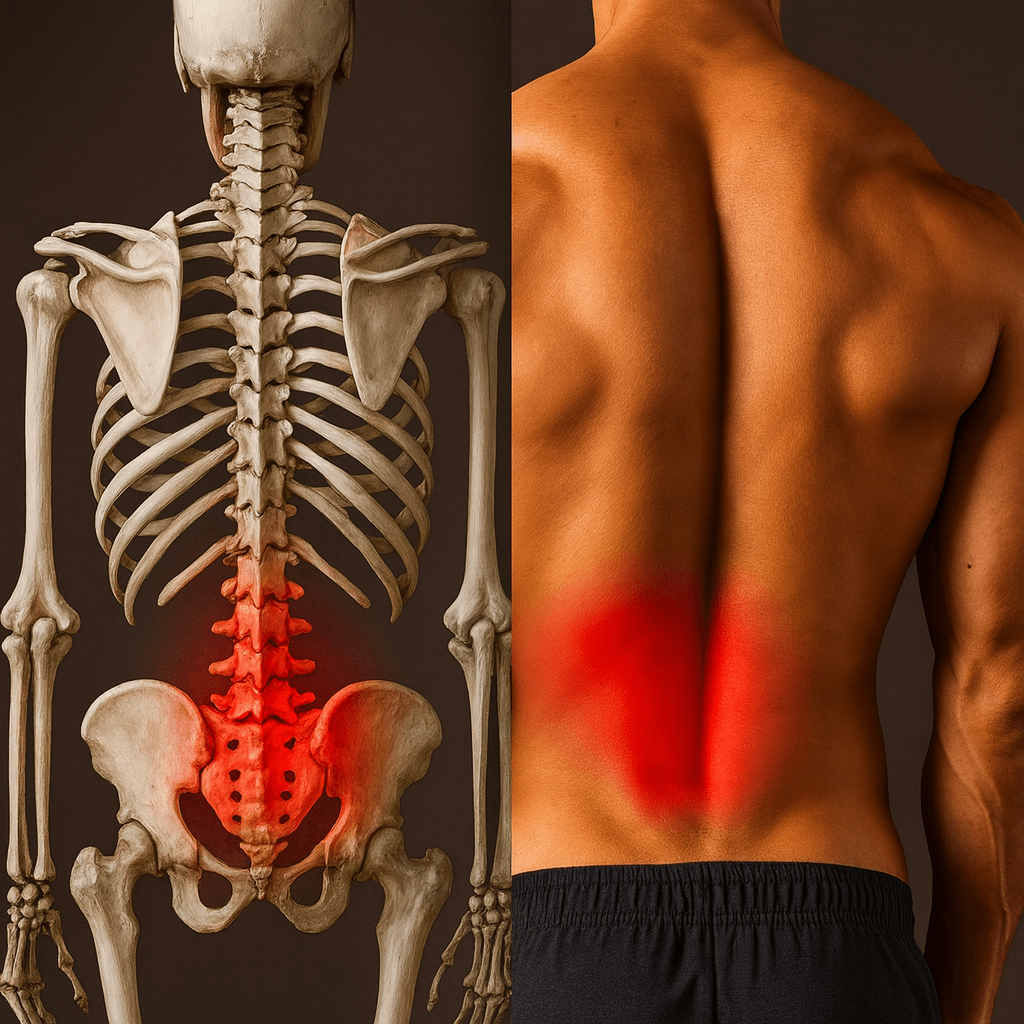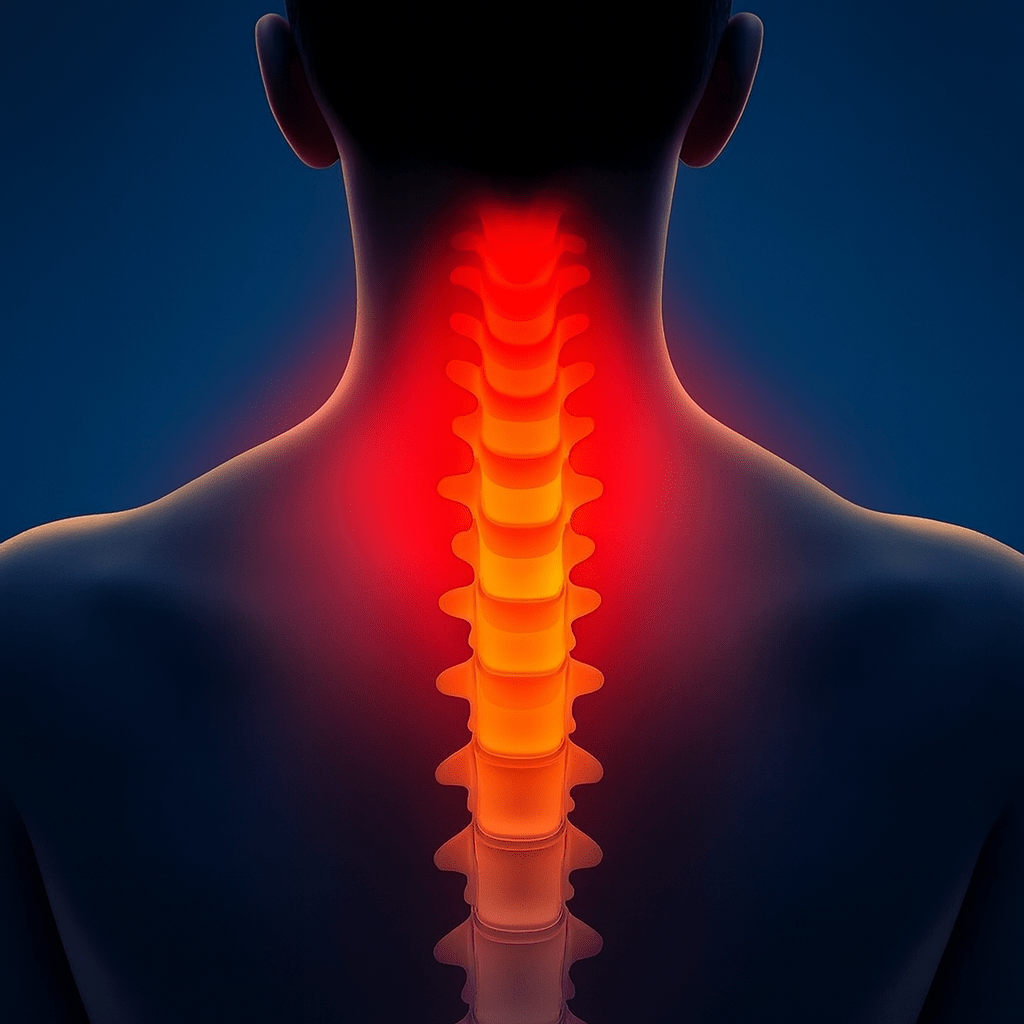


What is a muscle spasm?
A muscle spasm is a sudden and involuntary contraction of one or more muscle fibers that occurs without voluntary brain control. During a spasm, the muscle enters a state of increased tension, temporarily preventing it from relaxing normally.
This phenomenon can occur in any muscle of the body under voluntary control (skeletal muscles) and is characterized by its sudden and temporary onset. Although it usually lasts briefly, the sensation of tightness and discomfort can be strong enough to interfere with daily activities. A spasm differs from ordinary, intentional muscle contraction because it is not the result of conscious action, but rather an automatic reaction of the muscle fibers. In essence, it represents a temporary “lock” in the contraction phase, making it recognizable and noticeable even in mild forms.
The Most Common Causes of Muscle Spasms
A spasm usually does not occur due to a “single” reason but rather as a result of overlapping factors such as physical load, chemical balance in the muscle, and nervous regulation. Below are the most typical causes, without going into symptoms or treatment.
Overload and physical exertion
Sudden or excessive strain (overtraining, prolonged static positions, repetitive movements) increases muscle fiber excitability.
Eccentric contractions (lowering weights, running downhill) place special stress on muscles.
Fatigue and insufficient warm-up alter the function of muscle receptors (muscle spindles), making fibers more prone to “lock” in contraction.
Typical situations: long drives in the same position, intense training without gradual load increase, working beyond usual capacity.
Electrolyte deficiency (magnesium, potassium, calcium)
Magnesium helps muscles relax; deficiency increases neuromuscular excitability.
Potassium affects nerve and muscle conductivity; low levels disrupt the membrane’s electrical potential.
Calcium is essential for “switching on” and “switching off” contractions; imbalance disrupts this cycle.
Deficiency may result from excessive sweating, inadequate intake, diuretics, vomiting/diarrhea, or hormonal conditions.
Dehydration
Fluid loss concentrates electrolytes and reduces blood plasma volume, affecting oxygen and nutrient supply to muscles.
Heat, air-conditioned environments, and exertion accelerate water loss and disrupt neuromuscular control.
Even mild dehydration can lower the threshold at which a muscle “self-activates.”
Injuries and strains
In acute strains or micro-injuries, the body triggers a protective (guarding) spasm in surrounding muscles to stabilize the region.
Scar tissue and adhesions after injury alter fiber sliding, making them more prone to “locking” in contraction.
Overuse from poor ergonomics (e.g., long computer work) may cause local muscle trigger zones and reactive spasms.
Neurological disorders
Peripheral nerve irritation (e.g., radiculopathies, peripheral neuropathies) alters the signal reaching the muscle, making it more reactive.
Central disorders (certain CNS conditions) affect tone and reflex pathways, causing spasms to occur more easily and frequently.
Neuromodulation imbalance (e.g., after injuries, surgeries, or with chronic pain) changes the “thermostat” for contraction.
Other medical causes
Vascular factors (weaker local blood flow) impair muscle oxygen and nutrient supply.
Endocrine and metabolic influences (e.g., thyroid disorders, pregnancy, insulin resistance) affect electrolytes and muscle energy.
Medications and substances: diuretics (loss of K/Mg), laxatives, some bronchodilators, statins (muscle sensitivity), as well as alcohol and high caffeine intake.
Older age and low physical activity: sarcopenia and weaker neuromuscular control increase susceptibility to spasms.
Symptoms of Muscle Spasms
Muscle spasms have recognizable characteristics that occur suddenly, often without warning. Symptoms may vary in intensity and duration, but three signs are almost always present: sudden pain, muscle stiffness, and limited mobility.
Sudden pain
The most common and recognizable symptom. Pain appears instantly, without gradual buildup, often reaching maximum intensity within seconds.
It can be described as a sharp, stabbing, or tightening sensation that forces the person to immediately stop the activity.
In some cases, the pain lasts only as long as the spasm, while in more severe or prolonged contractions it may persist even after the muscle relaxes, due to irritation and microdamage of the fibers.
Muscle stiffness and tension
The affected muscle becomes noticeably firm to the touch, with tension sometimes visible even without palpation.
In some cases, visible twitches or ripples may appear on the skin’s surface as a result of coordinated fiber contractions.
This tension can last from a few seconds to several minutes and represents a physical sign that the muscle cannot transition into relaxation.
Limited mobility
During a spasm, the muscle loses elasticity and the ability to stretch, restricting movement in the joint or body segment it is attached to.
Attempts to move the affected area usually cause more pain, leading the person to instinctively assume a protective position that prevents stretching.
Mobility restrictions usually disappear once the spasm stops, but after more severe episodes, a lingering sense of tightness or stiffness may remain.
These three symptoms form the core clinical picture of a muscle spasm and help distinguish it from other conditions that cause pain or stiffness (e.g., muscle inflammation, ligament injuries). Their presence, frequency, and duration are important indicators of severity and may signal the need for professional evaluation.
When to Seek Professional Help?
Although most muscle spasms occur occasionally and resolve on their own, there are situations where they may signal a more serious underlying problem. In such cases, it is best to seek professional help for assessment, identification of the cause, and appropriate treatment.
Frequent and severe spasms
If spasms occur several times a week or become increasingly intense, this may indicate chronic strain, nutritional deficiencies, or neurological issues.
Frequent episodes often suggest that the body is repeatedly reacting to the same trigger that has not been addressed—whether it’s an improper movement pattern, poor circulation, or electrolyte imbalance.
Professional evaluation helps identify the true source of the problem before it worsens.
Spasms accompanied by swelling, redness, or weakness
If a spasm is accompanied by local swelling, warmth, redness, or loss of strength, it may indicate an injury, inflammation, or a more serious circulatory or nerve conduction disorder.
These symptoms require prompt attention as they could signal an acute condition, such as deep vein thrombosis, infection, or muscle/nerve injury.
In such cases, delaying evaluation is not advisable.
Night cramps that disrupt sleep
Occasional night cramps are common, but if they are frequent and severe enough to regularly wake you, this may indicate a chronic underlying cause—from circulation problems and mineral deficiencies to neurological disorders.
Besides disrupting sleep quality, night spasms can gradually weaken muscles and increase the risk of injury when getting up suddenly.
Professional treatment helps not only address the cause but also restore a normal sleep pattern.
Treatment of Muscle Spasms
Treatment of muscle spasms involves a combination of immediate pain relief, addressing the underlying cause, and preventing recurrence. The approach depends on whether the spasm is due to short-term strain or is a symptom of a chronic issue.
First aid for a spasm
Stop the activity that triggered the spasm and assume a comfortable position.
Gently and gradually stretch the affected muscle—never abruptly or forcefully.
Applying a warm compress or taking a warm bath helps relax muscle fibers, while a cold compress may be useful for fresh injuries to reduce irritation.
Light massage or rubbing of the affected area can accelerate muscle relaxation and improve local circulation.
Physical therapy and manual techniques
Electrotherapy (TENS, interferential currents) to reduce pain and tension.
Ultrasound to improve circulation and accelerate muscle recovery.
Massage and myofascial release to reduce muscle stiffness and release trigger points.
Joint and soft tissue mobilization to restore normal function and reduce reflexive muscle tension.
Stretching and strengthening exercises
Stretching after each physical activity reduces the risk of recurrent spasms.
Dynamic and static stretching helps restore normal muscle length.
Strengthening exercises for stabilizers (abdominal, back, and pelvic muscles) help reduce the load on muscles prone to spasms.
Exercises should be introduced gradually under professional supervision to avoid further tissue irritation.
Diet correction and supplementation
Adequate intake of magnesium, potassium, and calcium from food (nuts, bananas, dairy products, leafy greens).
Increase hydration throughout the day, especially during physical activity or in warm conditions.
Supplementation may be recommended by a specialist if mineral deficiencies are confirmed.
A balanced diet supports better muscle regeneration and function.
Therapies at the Fizio and Aesthetic Center In Locco
At our center, the approach to treating muscle spasms is individually tailored to each patient.
Detailed assessment of the muscle condition and the cause of the spasm.
Application of a combination of physical procedures, manual techniques, and targeted kinesiology therapy.
Patient education on prevention and proper stretching and recovery techniques.
The therapy plan is adjusted according to progress to achieve long-lasting results and reduce the likelihood of recurrence.
Prevention of Muscle Spasms
Prevention of muscle spasms is just as important as their treatment. By maintaining regular habits and approaching physical activity carefully, it is possible to significantly reduce the frequency and intensity of spasms.
Hydration and proper nutrition
Maintaining optimal fluid levels throughout the day is crucial for normal muscle function and electrolyte balance.
A balanced diet rich in magnesium, potassium, and calcium supports proper muscle contraction and relaxation.
Occasional supplementation is recommended only under the guidance of a specialist, especially for individuals with confirmed deficiencies.
Regular stretching
Dynamic stretching before physical activity prepares muscles for exertion and reduces the risk of spasms.
Static stretching after training or a long day helps muscles relax and maintain elasticity.
Special attention should be given to muscle groups that are most heavily used or prone to spasms.
Gradual increase in physical load
Sudden increases in exercise intensity or duration raise the risk of spasms.
Gradually increasing weight, speed, or duration of activity allows muscles to adapt.
Monitoring your own fatigue and pain levels helps prevent overexertion.
Ergonomics and proper posture
Correct body position during work, sitting, or standing reduces unnecessary muscle strain.
Regular breaks and changing positions during prolonged sitting prevent cramps in the neck, back, and legs.
Using ergonomic chairs, mats, and aids further contributes to spasm prevention.
For more information or to schedule an appointment, call us at 060 6060 308.