

What does it mean when your left arm goes numb?
Numbness in the left arm may seem harmless, especially if it occurs occasionally, but in many cases, it signals that something in the body is out of balance. It is most commonly described as a tingling, prickling, or numb sensation that may last a few seconds, but can also persist longer or even become chronic. This symptom can stem from issues with the nerves, blood circulation, or spine, but in certain situations, it may also indicate more serious health problems, such as heart-related conditions. It is important to observe any accompanying symptoms and not delay seeing a specialist if the sensation recurs or worsens.
The Most Common Causes of Numbness in the Left Arm
Numbness in the left arm is not a disease but a symptom that may indicate various disorders within the body. Depending on the intensity, duration, and accompanying symptoms, the causes can range from harmless to those requiring urgent medical intervention. Below are the most common causes of this unpleasant sensation:
Cervical Spine Issues and Herniated Disc
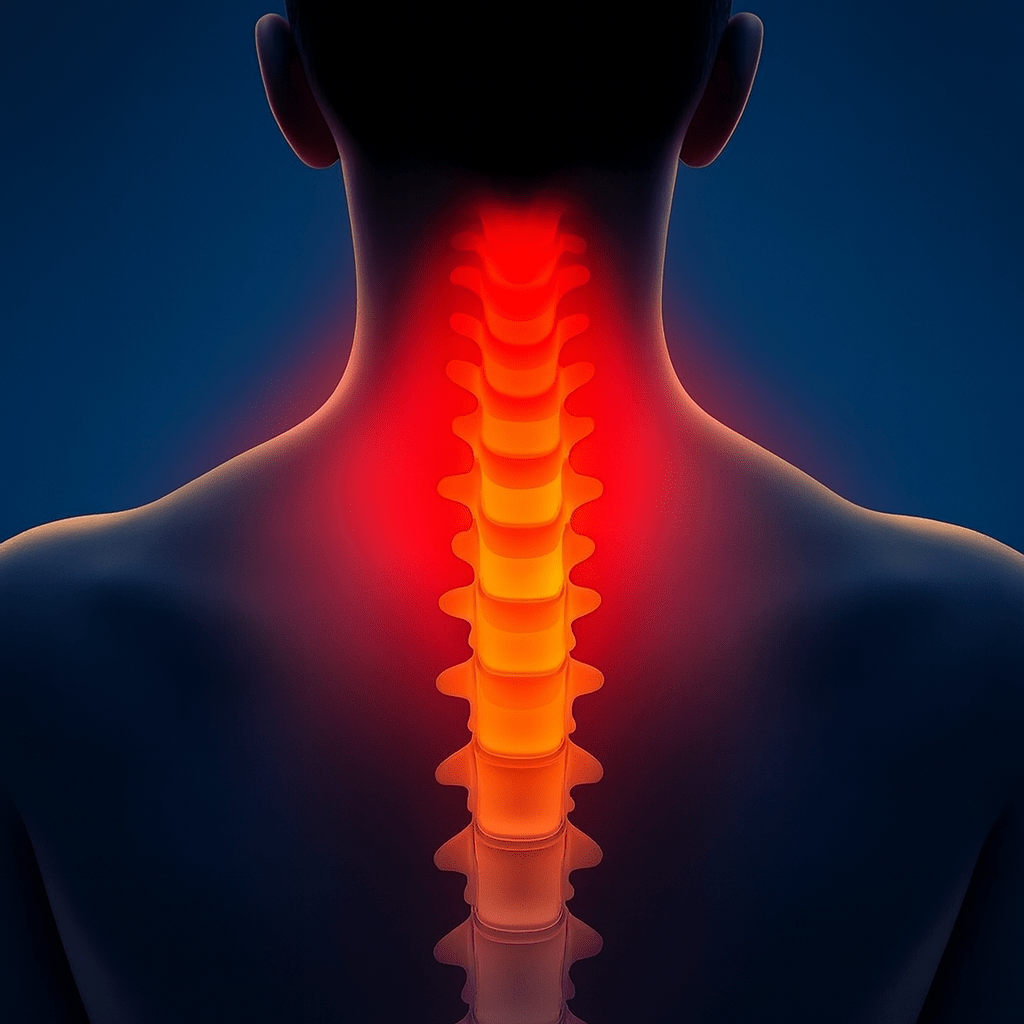
One of the most frequent causes of numbness in the left arm is nerve compression in the cervical spine, usually due to degenerative changes or a herniated disc. When pressure is placed on the nerves exiting the spinal cord in the neck area (e.g., C5–C8 segments), it can lead to numbness, muscle weakness, and pain radiating down the shoulder, arm, and into the fingers. The numbness is usually more pronounced during certain neck movements, prolonged sitting, or improper sleeping positions.
Carpal Tunnel Syndrome
Although carpal tunnel syndrome most commonly affects the right hand (due to more frequent use), it increasingly affects the left hand as well, especially in people who use both hands equally or sleep on their left side. It is caused by pressure on the median nerve in the wrist area, leading to numbness, tingling, and pain in the thumb, index, and middle fingers. Symptoms usually worsen at night and may be accompanied by loss of sensation and weakened grip strength.
Nerve Injuries or Compression
Any trauma, strain, or pressure on the nerves along the arm—from the neck down to the fingers—can result in numbness. For example, shoulder injuries, muscle overuse, pressure from a heavy backpack, or prolonged leaning on the elbow can compress nerves and cause numbness. In such cases, the sensation is usually temporary but may recur if the underlying cause is not addressed.
Circulation Problems
Poor blood flow to the arm can also cause numbness. This can occur when a blood vessel is narrowed, blocked, or under pressure. Vascular issues such as atherosclerosis, Raynaud’s syndrome, or even a blood clot can reduce blood flow and cause coldness, paleness, and numbness in the arm. This cause is particularly concerning if numbness occurs suddenly and is accompanied by skin discoloration or pain.
Neurological Disorders
Certain neurological conditions, such as peripheral neuropathy, multiple sclerosis, or nerve damage caused by diabetes (diabetic neuropathy), can lead to numbness, tingling, and loss of sensation in the arm. These conditions are usually chronic and progress gradually, so early recognition and monitoring of symptoms are essential for effective treatment and maintaining arm function.
Cardiovascular Causes (Emergency – Heart Attack)
Although less common, cardiovascular causes—particularly a myocardial infarction (heart attack)—can manifest as sudden numbness or weakness in the left arm, especially if accompanied by other symptoms such as chest pain, sweating, dizziness, nausea, or shortness of breath. This is a medical emergency and requires immediate attention. These symptoms should not be ignored, even if they are mild—especially in individuals with risk factors such as high blood pressure, smoking, obesity, stress, or family history.
When Can Numbness in the Left Arm Be a Cause for Concern?
Although numbness in the left arm is often caused by harmless factors such as nerve pressure during sleep or muscle strain, there are situations where this symptom can signal a serious health issue and should not be ignored.
Sudden Numbness Accompanied by Chest Pain
If numbness in the left arm occurs suddenly, especially when accompanied by chest pain, tightness, pressure, shortness of breath, dizziness, or sweating, it may be a sign of a heart attack (myocardial infarction). This is a medical emergency and requires immediate action—call emergency services (194). In women, symptoms may be milder or atypical, so even mild discomfort should not be overlooked.
Spreading and Persistent Numbness
If the numbness spreads down the arm, lasts more than a few minutes, appears without a clear cause, and does not subside at rest, a medical examination should be performed as soon as possible. These symptoms may indicate nerve compression, inflammation, or more serious neurological conditions.
Loss of Strength, Coordination, or Sensation in the Arm
If numbness is accompanied by weakness in the arm, reduced sense of touch, difficulty performing fine motor tasks (e.g., buttoning a shirt), or the feeling that your arm is “not responding,” this could suggest nerve damage or even a stroke. These symptoms require urgent medical evaluation.
Numbness with Changes in Skin Color and Temperature
If numbness is accompanied by the arm appearing pale, bluish, cold, or significantly different in color and temperature compared to the other arm, this may indicate circulatory problems—such as blocked blood vessels or Raynaud’s phenomenon. If left untreated, this condition can lead to serious complications.
Frequent Nighttime Numbness That Disrupts Sleep
If numbness in the arm frequently wakes you up at night—especially if it’s always the left arm—it may be a sign of carpal tunnel syndrome, cervical radiculopathy, or other neurological disorders. While not necessarily an emergency, timely treatment is important to prevent worsening symptoms and permanent nerve damage.
What Does Treatment for Left Arm Numbness Look Like in Our Center?
At the In Locco Physio and Aesthetic Center, we treat every case of arm numbness as an individual issue that requires thorough analysis and a personalized approach. Our goal is not only to relieve the symptom but also to identify the cause of the numbness and eliminate it in the most effective way possible.
Individualized Therapy Approach
Our treatment always begins with a detailed consultation and examination to understand the nature of your problem—whether the numbness is caused by issues with the spine, nerves, circulation, or other conditions. Based on this, we create a personalized therapy plan tailored to your symptoms, age, lifestyle habits, and overall health.
Physiotherapy and Manual Techniques
Depending on the cause, we use targeted physiotherapeutic methods that may include:
Mobilization of the cervical and thoracic spine
Decompression of nerve structures
Specialized manual techniques to relax muscles and relieve nerve pressure
Electrotherapy and ultrasound therapy when necessary
These therapies help improve circulation, reduce inflammation, and restore normal arm function.
Exercises and Recommendations for Home Care
To ensure long-lasting therapy results, our therapists create a specific exercise program for you to do at home. These exercises are simple yet highly effective in:
Strengthening the muscles of the arm and shoulder
Maintaining flexibility of the spine and joints
Preventing the recurrence of symptoms
Additionally, you will receive recommendations on workplace ergonomics and proper body posture during daily activities, especially if you sit for long periods, work at a computer, or lift heavy objects.
Monitoring and Follow-Up Exams
Treatment does not end after a few sessions. Regular check-ups and communication with our team allow us to adjust the therapy as needed and respond promptly if symptoms return. Our goal is to achieve a lasting effect, not just temporary relief.
At the In Locco Physio and Aesthetic Center, we strive to ensure that every patient leaves with a clear understanding of their condition and concrete steps toward recovery. Numbness in the left arm is not something to tolerate—most conditions can be successfully treated with timely therapy.
How Long Does Recovery Take and What Can You Expect?
The duration of recovery from numbness in the left arm primarily depends on the cause of the symptoms, how long the discomfort lasted before starting therapy, and how consistently the recommended treatment is followed. Some patients experience relief after just a few therapy sessions, while others—especially those with chronic conditions or nerve damage—may require several weeks to several months to recover.
Factors Affecting Recovery Speed:
The type and severity of the cause (e.g., herniated disc, carpal tunnel syndrome, neurological disorders)
How long symptoms have been present before therapy begins
The patient’s age and overall health
The patient’s commitment to therapy and performing exercises at home
Work and lifestyle habits that may influence progress
What to Expect During Recovery:
Many patients notice a reduction in numbness intensity, less stiffness, and improved arm mobility after the first few treatments. Over time, as the body heals and muscles strengthen, symptoms occur less frequently until they eventually disappear completely.
In cases requiring longer rehabilitation, our therapists will guide you through every step, regularly monitor your progress, and adjust therapy to your needs. Our goal is not only to help you eliminate symptoms but also to teach you how to prevent their return in the future.
At the In Locco Physio and Aesthetic Center, we believe every recovery is possible when there is good cooperation between therapist and patient. With our expert team, support, and personalized approach—you are on the right path to restoring full function of your left arm and living comfortably without discomfort.
For more information or to schedule an appointment, call us at 060 6060 308.