


What is synovitis?
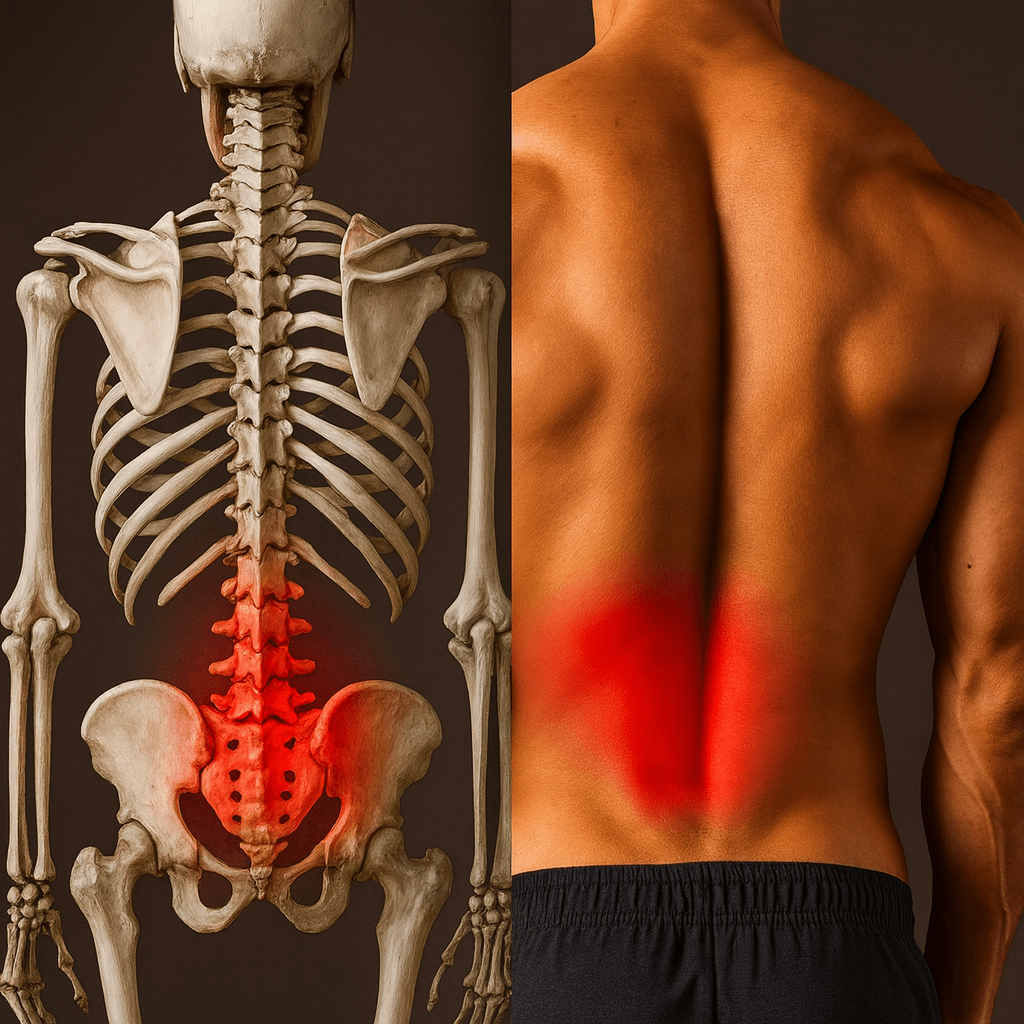
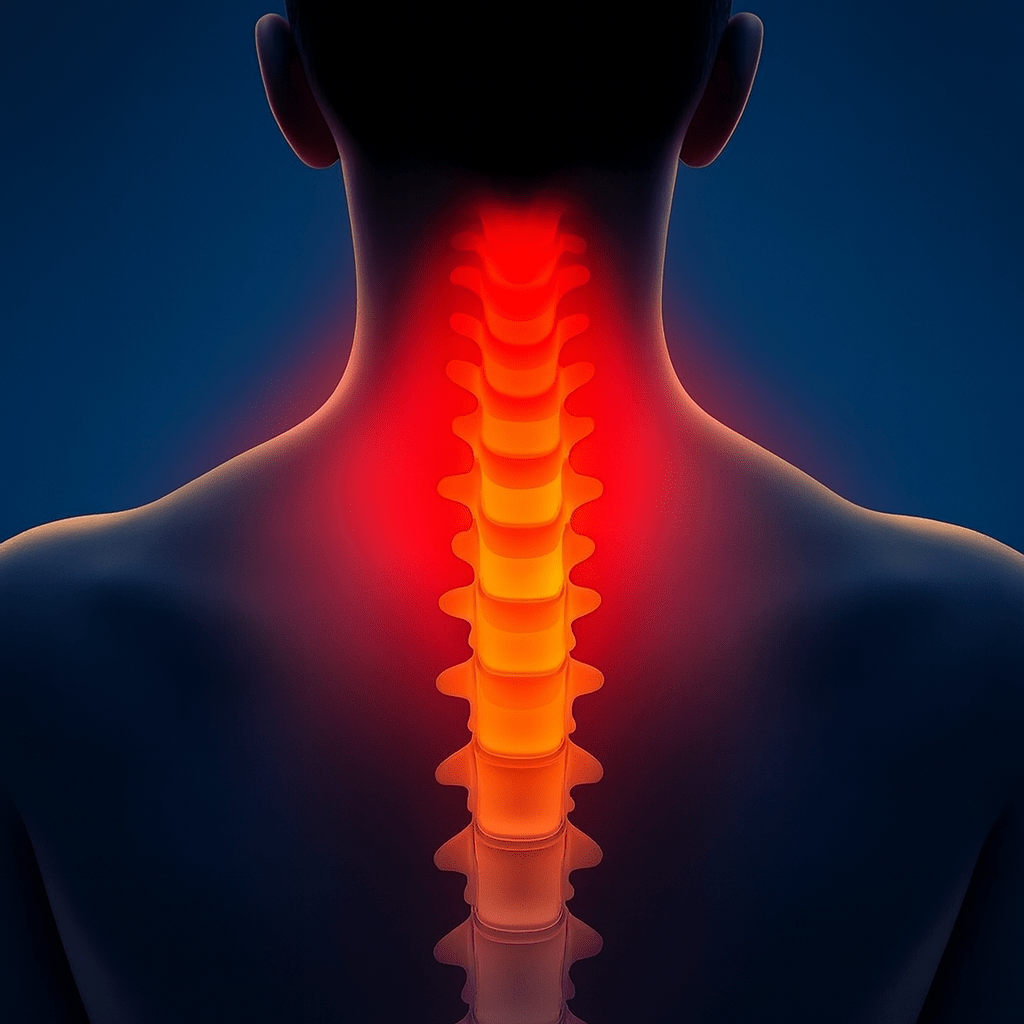
Synovitis is an inflammation of the synovial membrane — the tissue that lines the joints and produces synovial fluid. This fluid plays a crucial role in lubricating the joints, allowing them to move smoothly and without friction. When the synovial membrane becomes inflamed, fluid accumulates in the joint, which can cause pain, swelling, and reduced mobility. Synovitis can affect any joint in the body, but it most commonly occurs in joints such as the knees, elbows, shoulders, and the joints of the hands and feet.
Difference between acute and chronic synovitis
Acute synovitis
Acute synovitis occurs suddenly and is usually caused by an injury, infection, or excessive strain on the joint. At this stage, symptoms are often pronounced, including severe pain, swelling, redness, and warmth in the affected joint. Acute synovitis typically lasts from a few days to several weeks, and with appropriate treatment — such as rest, ice, and pain medication — the condition can improve quickly.
Chronic synovitis
Chronic synovitis develops when an acute inflammation does not resolve or keeps recurring, leading to a prolonged inflammatory state in the joint. In this case, symptoms may be less intense but persistent, including gradual loss of mobility, ongoing pain, and swelling. Chronic synovitis can be caused by autoimmune diseases, such as rheumatoid arthritis, or by excessive joint use. Treatment of chronic synovitis requires a long-term approach involving therapy, rehabilitation, and, in some cases, surgery.
Causes and risk factors for synovitis
Synovitis can occur for various reasons and is most commonly associated with injuries, infections, inflammatory processes, and autoimmune diseases. Understanding the causes can help in the timely recognition of symptoms and the implementation of appropriate treatment.
Injuries and overuse
One of the most common causes of synovitis is joint injuries, such as sprains, strains, or fractures. Injuries can damage the synovial membrane, triggering inflammation and fluid buildup in the joint. Overuse of joints, especially in athletes or people performing physically demanding work, can also lead to synovitis. Repetitive movements, particularly in sports like tennis, running, or weightlifting, can increase the risk of injury and the development of synovitis.
Additionally, accidents or trauma can cause direct joint injuries, leading to inflammation. Joint injuries can result in the accumulation of synovial fluid, which creates pressure and pain. Overuse can also occur in people who work in unnatural positions or sit for extended periods, putting stress on the joints.
Infections and inflammatory processes
Infection can be a direct cause of synovitis, especially if bacteria or other microorganisms enter the joint through a wound or the bloodstream. This type of synovitis is called septic synovitis. Infection causes a rapid onset of symptoms, including redness, warmth, pain, and swelling in the joint. Infections can result from bacterial or viral diseases and most commonly occur in individuals with weakened immune systems or those who have undergone joint surgery.
Besides infections, inflammatory processes in the body, such as bursitis or tendinitis, can also cause inflammation in the synovial membranes. Inflammatory diseases like gout, caused by the accumulation of uric acid in the joints, can also lead to synovitis. These inflammatory processes may cause painful reactions in the joints and limit their functionality.
Autoimmune diseases and other risk factors
Autoimmune diseases such as rheumatoid arthritis, lupus, and psoriatic arthritis are significant risk factors for developing synovitis. In these cases, the immune system mistakenly attacks healthy joint cells, including the synovial membrane, leading to its inflammation. The chronic inflammatory process can damage the joints, reducing their mobility and functionality.
Besides autoimmune diseases, there are several other risk factors that may contribute to the development of synovitis, including:
Genetic predisposition – Some people may have a genetic tendency to develop inflammatory joint diseases.
Aging – Degenerative changes in the joints occur with age, which can increase the risk of synovitis, especially in older adults.
Excess body weight – Extra weight places additional pressure on joints, particularly the knees, hips, and spine, which can trigger inflammation.
Lack of physical activity – Insufficient movement and weak muscle support can lead to poorer joint stability and increase the risk of synovitis.
Symptoms of synovitis
Symptoms of synovitis can vary depending on the type and cause of inflammation, but most commonly include pain, swelling, and reduced joint function. These symptoms may be present at different intensities, ranging from mild to severe, and usually appear quickly, especially if synovitis is caused by injury or infection. Below is a detailed description of the most common symptoms of synovitis:
Pain and swelling in the joint
One of the most characteristic symptoms of synovitis is pain in the affected joint. The pain may start mild but becomes more intense as the inflammation progresses, especially during joint movement or when pressure is applied. In some cases, the pain can be constant, while in others it only occurs during activity or exertion.
Swelling is also a common symptom of synovitis. When the synovial membrane becomes inflamed, synovial fluid accumulates in the joint, causing it to swell. This swelling can be visible and palpable and often occurs in places such as the knees, elbows, shoulders, and joints of the hands and feet. In cases of infection, the swelling may be especially pronounced and accompanied by tenderness.
Limited mobility and stiffness
Inflammation in the synovial membrane leads to reduced mobility of the affected joint. The joint may become stiff, and movement can be painful and restricted. Initially, a person may have difficulty performing certain movements, such as bending or straightening the joint. As the inflammation progresses, mobility can become increasingly limited, and the joint may become “locked” in certain positions. Stiffness is often present in the morning but usually improves during the day with gentle movement.
Redness and warmth at the site of inflammation
As a result of inflammation, the skin around the affected joint may become red and warm to the touch. This is a sign that the body is fighting infection or inflammation. Redness and warmth are typically present during the acute phases of synovitis, especially when caused by infection or severe inflammation. The warmth occurs due to increased blood flow to the affected area, which is the body’s natural response to inflammation.
If these symptoms become severe or persist for a long time, it is important to consult a doctor or physiotherapist to obtain an accurate diagnosis and start appropriate treatment. Untreated synovitis can lead to permanent joint damage and reduced joint function.
Treatment of synovitis at the Fizio and Estetik Center In Locco
Treatment of synovitis requires a comprehensive approach tailored to the individual needs of each patient. At the Fizio and Estetik Center In Locco, we use a wide range of physiotherapy techniques and therapies aimed at reducing pain, alleviating inflammation, restoring joint function, and preventing further complications. Our team relies on the most advanced treatment methods, with continuous patient evaluation to achieve the best possible results. Below are the key elements of synovitis treatment at our center explained in detail:
Individualized treatment plan
Every therapy at the Fizio and Estetik Center In Locco begins with a thorough assessment of the patient’s condition. Based on the clinical examination, medical history, and diagnostic test results, we develop an individualized treatment plan tailored to the specifics of each case. The treatment plan takes into account:
Type and severity of synovitis: Differentiating between acute and chronic synovitis influences the treatment approach.
Overall health condition of the patient: Therapy is adjusted according to health issues, age group, and patient needs.
Treatment goals: Our goals are pain reduction, swelling decrease, restoration of joint mobility, and prevention of recurrent inflammation.
This plan is regularly updated and adjusted to ensure the best possible progress in treatment.
Physiotherapy and manual therapy
Physiotherapy is a key part of synovitis treatment because it helps restore joint mobility, reduce pain and inflammation, and improve functionality. At the Fizio and Estetik Center In Locco, we apply the following physiotherapeutic techniques:
Joint mobilization exercises: Our team uses specialized exercises that help improve the mobility of the affected joint. These exercises help release tension and stiffness in the joint, allowing better function.
Manual therapy: Manual therapy involves the use of the therapist’s hands for massage and manipulation of joints and soft tissues. This technique helps reduce pain, improve circulation, and relax muscles. Manual approaches are often used in phases when the joint is very stiff or reacts painfully to movement.
Therapeutic exercises and kinesitherapy: Specially designed exercises for synovitis help strengthen the muscles around the affected joint, reduce pressure on the joint capsule and synovial membrane, and improve overall joint function.
Physical therapy
Electrotherapy: Electrotherapy uses electrical impulses to reduce pain and inflammation in the joints. It stimulates muscles and tissues, improving circulation and accelerating the healing process.
Laser therapy: Laser therapy applies low-energy lasers to enhance tissue healing and reduce inflammation. It stimulates cell regeneration and decreases pain, facilitating joint function.
Magnetotherapy: Magnetotherapy uses magnetic fields to reduce pain and inflammation in the joints. It helps speed up tissue regeneration and improve circulation, contributing to faster recovery from synovitis.
Ultrasound therapy: Ultrasound therapy uses sound waves to penetrate deeper layers of tissue, improving circulation, reducing inflammation, and accelerating healing. It is effective for reducing pain and swelling in synovitis.
Shockwave therapy: Shockwave therapy uses acoustic waves to stimulate tissue regeneration and reduce pain. It is effective in treating chronic inflammation and injuries, including synovitis, as it accelerates joint recovery.
Hijama therapy: Hijama, or therapeutic cupping therapy, uses vacuum suction to stimulate circulation and eliminate toxins from the body. This therapy helps reduce pain and inflammation in synovitis, improving joint functionality.
Electrotherapy and other advanced treatments are an important part of synovitis care, especially when intense pain or swelling is present. At the Fizio and Estetik Center In Locco, we apply various types of electrotherapy depending on the patient’s condition and stage of the disease.
By combining these techniques, the Fizio and Estetik Center In Locco enables faster recovery, symptom reduction, and improved functionality of the affected joints.
Our goal is to provide each patient with personalized therapy tailored to their needs, focusing on long-term prevention and improving quality of life. The therapies we offer aim to restore full mobility, reduce pain, and prevent further inflammatory processes.
Rehabilitation exercises for synovitis
Rehabilitation of synovitis requires a careful and gradual approach to restore the joint to optimal condition, reduce pain, and regain functionality. At the Fizio and Estetik Center In Locco, rehabilitation is based on a combination of exercises that improve mobility, strengthen muscles, and stabilize the joint, thereby reducing the risk of synovitis recurrence or other injuries. Below are detailed descriptions of the main types of exercises used during synovitis rehabilitation:
Gradual restoration of mobility
After the initial treatment phase, when pain has decreased, it is important to gradually restore joint mobility. These exercises are performed under controlled conditions, in cooperation with a physiotherapist, to avoid injury and symptom worsening.
Passive exercises: In the early rehabilitation phase, the physiotherapist may perform passive exercises to help restore the joint’s range of motion. These exercises involve gentle movement of the joint without active participation from the patient, helping to relax muscles and increase joint flexibility.
Active exercises within pain limits: When pain decreases, the patient begins active exercises within a pain-free range of motion. These exercises improve joint mobility, reduce stiffness, and progressively increase the movement range.
Stretching exercises: Stretching is a key part of rehabilitation as it helps restore flexibility to the joint and surrounding muscles. Stretching should be controlled, with intensity gradually increasing as the condition improves.
Muscle strengthening and joint stabilization exercises
After gradually restoring joint mobility, it is important to work on strengthening the muscles that support the joint to reduce the risk of re-injury. Strengthening the muscles around the joint is essential for stabilization and long-term joint health.
Isometric exercises: These exercises involve contracting muscles without moving the joint, allowing muscle strengthening without putting stress on the joint. For example, the patient can contract the quadriceps or hamstring muscles while sitting or lying down to strengthen them.
Resistance exercises: We gradually introduce exercises with light loads or resistance, such as resistance bands, to increase muscle strength. This may include movements like joint flexion and extension or exercises with light weights.
Joint stabilization exercises: Stabilization exercises are used to improve coordination and balance, reduce stress on the joint, and enhance movement control. This includes balancing on unstable surfaces, such as standing on one leg or using a balance ball.
Core strengthening exercises for abdominal and back muscles: These exercises help stabilize the entire body, as a stable core plays a key role in joint recovery and reducing joint stress. Strengthening the back and abdominal muscles helps decrease the load on affected joints and aids in their stabilization.
Recommendations for maintaining joint health
After rehabilitation, it is important to maintain joint health to prevent recurrence of synovitis problems. At the Fizio and Estetik Center In Locco, we recommend the following measures to help patients maintain optimal joint condition:
Regular exercise: We encourage patients to continue exercises aimed at maintaining joint mobility and strength. Activities such as walking, swimming, or cycling are excellent ways to preserve joint functionality.
Balanced nutrition: A good nutritional plan can help reduce inflammation and improve joint regeneration. We recommend consuming foods rich in omega-3 fatty acids, vitamins D and C, and antioxidants that help decrease inflammation.
Maintaining a healthy body weight: Excess body weight stresses the joints, which can lead to recurrent problems. Weight control through physical activity and a balanced diet is key to preserving joint health.
Movement control: Performing exercises and daily activities carefully, avoiding excessive strain and sudden movements, can help keep the joint in good condition.
Proper rehabilitation, combined with these maintenance recommendations, can significantly reduce the risk of recurrent inflammation and ensure long-term joint health. At the Fizio and Estetik Center In Locco, we are committed to supporting our patients through all stages of rehabilitation, enabling them to return to active lives and prevent future joint problems.
Prevention of synovitis
Prevention of synovitis plays a key role in preserving joint health and preventing inflammatory processes that can lead to joint damage. Through a healthy lifestyle, timely recognition of symptoms, and appropriate physical activity, the risk of developing synovitis can be significantly reduced. At the Fizio and Estetik Center In Locco, we provide advice and guidelines to help maintain joint functionality.
How to reduce the risk of developing synovitis
To lower the risk of synovitis, it is important to pay attention to several key factors:
Avoiding excessive joint strain: Overloading, whether from physical activity or injuries, can cause inflammation of the synovial membranes. Regularly varying activities and allowing time for joint recovery is essential.
Proper technique during physical activities: Learning the correct technique for performing exercises and carrying loads can prevent excessive pressure on joints and reduce injury risk. Consulting a physiotherapist or trainer to learn proper movement biomechanics is recommended.
Maintaining a healthy body weight: Excess body weight stresses joints, especially weight-bearing ones like the knees, hips, and spine. Maintaining a healthy weight reduces joint load and lowers the risk of inflammation.
Using appropriate footwear: Shoes that provide adequate support for the joints, especially during activities such as running, walking, and standing, can help reduce joint strain and prevent problems.
Recommendations for a healthy lifestyle and physical activity
Physical activity and a healthy lifestyle are fundamental components for maintaining joint health and preventing synovitis:
Regular exercise: Incorporating exercises that improve joint flexibility, strength, and stability can help prevent inflammation. A combination of aerobic exercises, strength training, stretching, and activities like swimming, cycling, and yoga is recommended.
Strengthening muscles around the joints: Strengthening the muscles that support the joints helps reduce stress on the joints themselves. Through strength exercises for the leg, back, and core muscles, joints become more stable and resistant to injury.
Flexibility and stretching: These exercises help maintain joint mobility and reduce the risk of stiffness and injury. Stretching muscles, especially after exercise, improves circulation and reduces tension in the joints.
Proper nutrition: A balanced diet rich in vitamins and minerals that support joint health, such as vitamins C, D, E, and omega-3 fatty acids, can contribute to reducing inflammation and improving joint regeneration.
Timely recognition of symptoms and treatment
A quick response to the initial symptoms of synovitis can significantly improve outcomes and shorten recovery time. Early diagnosis and timely treatment are essential:
Recognizing symptoms: If you notice pain, swelling, redness, or limited mobility in any joint, it is important not to ignore these signs. Prompt consultation with a specialist can prevent the condition from worsening.
Early treatment: When synovitis symptoms appear, immediate steps should be taken, which may include rest, application of cold compresses, anti-inflammatory medications, and visiting a physiotherapist. Early intervention can prevent further inflammation and joint damage.
Monitoring and preventing recurrence: After treatment, it is important to monitor the joint’s condition, pay attention to any changes, and take preventive measures to avoid synovitis returning.
At the Fizio and Estetik Center In Locco, we provide comprehensive support in the prevention and treatment of synovitis, using individualized approaches and advice to help you maintain healthy joints and avoid future problems.
For more information or to schedule an appointment, call us at 060 6060 308.